
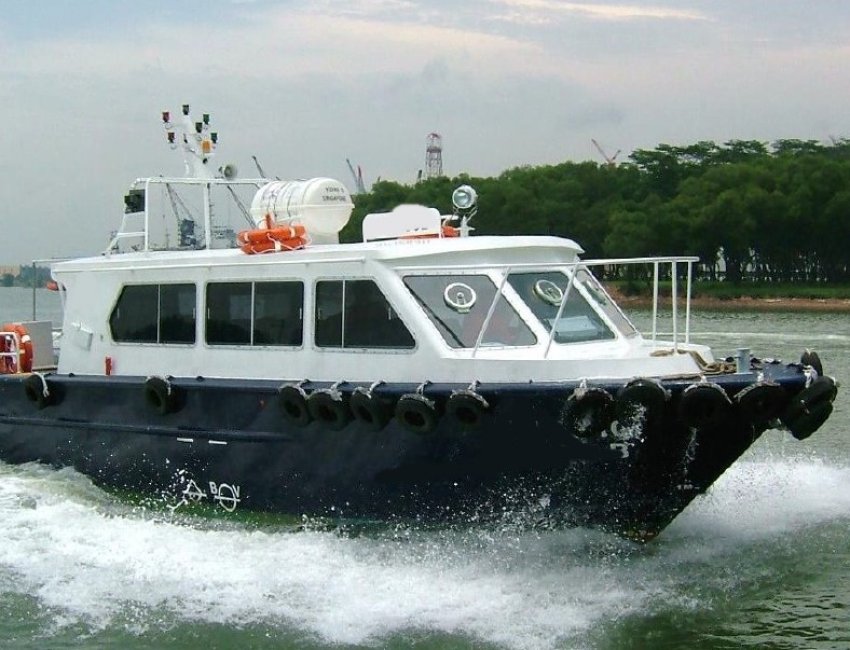
Image source: The Commercial Trader
Before viewing a used workboat, request its specifications, ownership information, machinery history, and current survey or certification records. Match those documents to the work and waters you have in mind. A useful shortlist contains vessels that can do the job, with an understandable path from purchase to operation.
A smart wheelhouse and a competitive asking price tell only part of the story. The questions that save the most time often concern the less photogenic details: draft, deck capacity, machinery hours and the conditions attached to a certificate.
Describe the job before comparing vessels
Write down the intended role, working area and typical load. A harbour support vessel, crew transfer boat and towing workboat need different capabilities. Include the number of people carried, equipment on deck, expected trip duration and access to the berths you will use.
Request the vessel's length, beam and draft, with enough context to understand the loading condition. For deck work, obtain documented load limits and usable deck dimensions. Where towing is central to the job, ask for evidence supporting the quoted bollard pull and details of the towing equipment. Engine power alone is not a substitute for a suitable specification.
Clarify whether the advert offers a sale, charter or both. Establish the vessel's actual location and availability; a broker's office address is not necessarily where you can inspect or collect it.
Request a document pack that explains its working life
Begin with identity and ownership records. Match the vessel name and identifying details across documents, and establish who has authority to sell. For a British-registered ship, the MCA provides a bill of sale for transferring ownership. Have the appropriate adviser confirm the title and transfer process for the specific vessel.
The machinery file should identify engines, gearboxes, generators, and major installed equipment. Request recorded hours, service history, significant repairs, and any current defects. If an engine has been replaced or rebuilt, obtain the supporting invoice and clarify what the hour reading represents.
Also request the latest available hull survey, docking records, and details of alterations. Photographs of repairs help frame questions, but an explanation of what changed, who completed the work and which records were updated is more valuable.
Understand what the certificates actually cover
Ask which certification regime applies, who issued the documents and when examinations or renewals are due. Read the permitted operating area, passenger or personnel limits and any conditions relevant to the job. Where class is advertised, verify the current class status and outstanding requirements with the relevant organisation.
For vessels within its scope, the MCA Workboat Code Edition 3 includes requirements and transition arrangements affecting existing vessels. Ask the certifying authority what applies to the particular boat, including work needed for its next examination. The fact that it worked for the previous owner does not settle its suitability for your intended operation.
Budget for any survey, modifications, and equipment servicing that your advisers identify. A lower purchase price may still make sense, provided you understand the work and allow realistic time to complete it.
Turn the viewing into a focused assessment
Send unanswered questions to the seller beforehand. Arrange a suitably experienced marine surveyor, and agree access to machinery spaces, records and equipment. Establish whether a sea trial and inspection out of the water are possible, what they will cover and who pays.
Get a written inventory of included equipment, spares and documentation. Add delivery, berthing, insurance and immediate maintenance to your cost comparison. These details help you judge the whole purchase, rather than bargaining over a headline price while expensive uncertainties remain.
Frequently asked questions
Does a current workboat certificate replace a purchase survey
Treat them as different questions. Certification concerns the applicable operating requirements; commission a surveyor to assess the vessel's condition and suitability for your purchase, with an agreed inspection scope.
What should I do if machinery hours are unclear?
Compare meter readings with service invoices, replacement records and the seller's explanation. Record any uncertainty and let the inspection findings inform your offer and maintenance allowance.
Can I use the boat in a different operating area?
Establish this with the relevant certifying authority before buying. Different work or waters may require changes to equipment, documentation or certification; do not rely solely on the advert's description.
Browse commercial offshore vessel listings on The Commercial Trader and contact sellers with your intended role and working area. Requesting the key records early helps you spend viewing and survey budgets on the strongest candidates.