
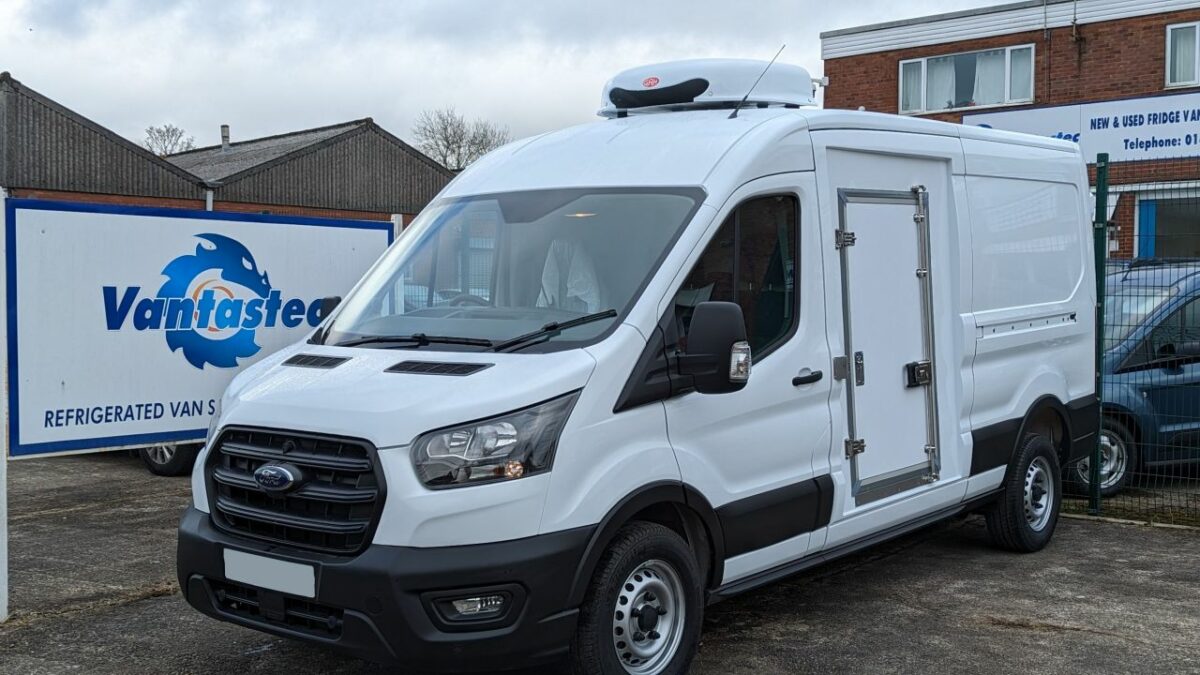
Image source: The Commercial Trader
Choose a used refrigerated van by matching its temperature capability, usable payload and insulated load space to your busiest delivery route. Establish how the refrigeration operates while driving and parked, review both vehicle and refrigeration service records, and arrange a suitable demonstration before buying.
The right van should make a demanding working day manageable. A single delivery to a warehouse creates different demands from frequent drops to shops or restaurants. Starting with that daily routine helps you compare the complete conversion and avoid paying for a vehicle that struggles with your actual work.
Describe the route before choosing the refrigeration
Write down the goods you carry, their required transport conditions, the longest journey and the likely number of door openings. Include waiting time, loading arrangements and any period when the engine is switched off. Use the temperature requirements for your products and customers; a generic ‘fridge van’ description cannot establish suitability.
Give this information to the seller and a transport refrigeration specialist. Request the exact refrigeration model and specification, together with evidence of its performance. A photograph of the controller’s setpoint shows the selected target. Ask how the actual compartment temperature was measured, under what conditions, and how that evidence relates to your route.
Measure what is left after the conversion
Use internal measurements taken inside the insulated body, including the door opening and space occupied by evaporators, partitions and shelving. Compare them with your crates, roll cages or pallets. Allow the airflow clearances specified for the installation rather than assuming every available centimetre can be filled.
The conversion also adds weight. Request a reliable weight record for the finished van and establish what was aboard when it was weighed. DVSA’s van guidance explains that the vehicle’s maximum loaded weight includes the van, occupants, fuel and load, and that individual axle limits matter. Account for your driver, equipment and goods when assessing the remaining capacity.
Check parked operation and separate temperature zones
If the van will wait at your premises or a customer’s site, establish how cooling is maintained during that time. Where electric standby is fitted, confirm the supply requirements, connection equipment and its condition. Include a demonstration of standby operation if it is important to your working day.
Some systems offer multi-temperature configurations and electric standby, as illustrated by Thermo King’s V-Series options. Their availability on a product range does not mean they are fitted to every used vehicle. For mixed chilled and frozen deliveries, have a specialist confirm the compartments, controls and refrigeration arrangement are suitable for both loads.
Review the van and the refrigeration as a package
Request maintenance records for both systems. A well-documented engine service history tells you little about the refrigeration unit. Look for records of repairs, faults and recent inspections, and establish who can maintain the unit locally. Inspect the lining, floor, doors and seals for damage that deserves further investigation.
Arrange a demonstration with the seller and, where appropriate, an independent specialist. Agree what it should establish before travelling. Add any servicing, monitoring equipment, repairs, delivery and preparation work to the purchase price. Confirm the VAT basis and any warranty terms so that two attractive adverts can be compared on an equal footing.
Frequently asked questions
Can one refrigerated van carry chilled and frozen goods together
Only where the complete installation provides suitable separate conditions for both. Confirm the compartment layout, refrigeration specification and control arrangement. One cold compartment with a single temperature setting does not establish a suitable solution for mixed-temperature deliveries.
Does a larger refrigerated van always carry more weight
No. A larger insulated body gives more potential volume, but usable payload depends on the individual vehicle, conversion and equipment. Compare verified finished weights and axle limits as well as the dimensions of the load area.
Is electric standby essential
It depends on when and where you need cooling while parked and how the installation is powered. Map those periods first, then confirm the proposed system can meet them. Check that any required electrical supply is available at the premises.
Find a van that suits the deliveries you make
Explore refrigerated vans on The Commercial Trader and send sellers a concise description of your load and route. Comparing their specifications and answers helps you narrow the choice before arranging a viewing, with the temperature capability and carrying capacity your business needs.