
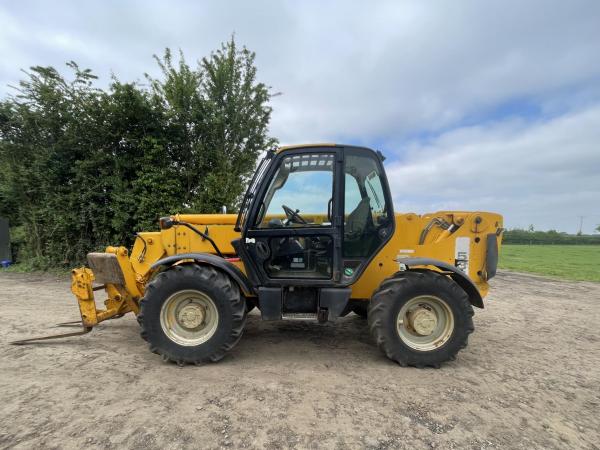
Image source: The Commercial Trader
Choose a used telehandler by the load it can handle at your required height and forward reach, in the configuration you will actually use. Confirm the correct load chart, attachment and stabiliser requirements, then assess site access, condition and maintenance records before comparing the purchase price.
The largest figures in an advert are useful starting points, but a machine has to deliver materials to the position your job requires. A clear description of those tasks makes it easier to identify a suitable model and have a productive conversation with the seller.
Define the load and where it needs to go
Record the heaviest loads, their dimensions, the required placement height and the distance the machine may need to reach forward. Include access restrictions that affect where it can stand. Give this information to the competent person planning the lifting work and use their requirements when shortlisting equipment.
Request the load chart for the exact model and configuration. Genie’s guidance on telehandler load charts explains why buyers need to consider where a machine can lift a load, together with the attachment used. Maximum lift height, maximum reach and maximum capacity should not be read as a promise that all three are available together.
Confirm the attachment and machine configuration
Establish which forks, carriage or other attachment are included in the advertised price. Identify their manufacturer and model, the headstock arrangement and any hydraulic requirements. A seller’s photograph may show equipment that is available separately, so have the complete sale package listed in writing.
Physical fit alone does not establish suitability. HSE’s telehandler guidance notes that attachments can change lifting capacity and must be compatible with the machine and task. Confirm the appropriate manufacturer documentation for the combination, including the load chart. If your shortlist includes fixed and rotating machines, assess the configurations against the same planned work.
Check whether the machine fits the site
Measure entrances, working areas and overhead restrictions. Consider the space needed for the machine’s working configuration, including stabilisers where fitted. Review visibility from the cab and the condition of any cameras or mirrors. Transport dimensions and machine weight also affect the cost of moving it between jobs.
The label ‘rough terrain’ needs context. HSE’s construction guidance highlights the importance of ground conditions, suitable routes and selecting the right vehicle for the site. Have suitability assessed for your actual conditions. If most of the work is agricultural, compare the machine’s specification and attachment needs with the agricultural telehandler category too.
Use condition evidence to compare value
Operating hours are one part of the picture. Request service records, repair history and relevant inspection and thorough-examination reports, then match the machine’s identification to its documentation. Establish whether any recorded defects have been resolved. A complete history gives an inspecting engineer a better starting point than an hour-meter photograph alone.
Arrange an inspection and demonstration appropriate to the machine with competent people. Discuss the boom, carriage, hydraulics, tyres, brakes and safety systems, and obtain estimates for any required work. Confirm the actual location, collection arrangements, VAT basis and included attachments. Those details help you compare the cost of a suitable working package across sellers.
Frequently asked questions
Can a telehandler lift its maximum capacity at full reach
You cannot assume that it can. Capacity varies across the machine’s working range and with its configuration. The correct manufacturer load chart is the reference for the specific attachment and intended task; the headline capacity alone is insufficient.
Can I use attachments I already own
Have compatibility confirmed for the exact machine and attachment. Consider the coupling, hydraulic requirements, attachment weight and applicable capacity information. An attachment that connects to the headstock still needs the appropriate approval and documentation for its intended use.
Is a lower hour reading always the better purchase
No. Compare maintenance, repair history, working conditions and inspection findings alongside recorded hours. A lower reading does not establish better condition. Budget for identified repairs and support availability when deciding which machine offers better value for your work.
Compare machines against a clear job requirement
Browse construction telehandlers on The Commercial Trader and contact sellers with your required load, height, reach and attachment details. Their documentation and answers can help you build a focused shortlist for inspection, bringing you closer to a machine that fits the work ahead.