
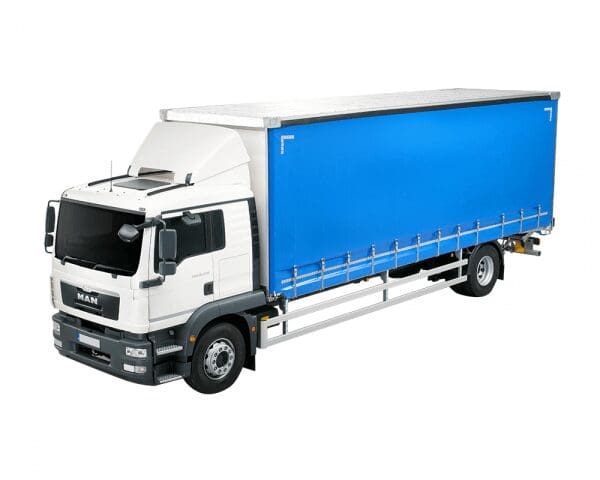
Image source: The Commercial Trader
To establish whether your pallets will fit a used curtainside truck, compare their loaded dimensions and total weight with the body’s usable space, verified payload and axle limits. Check loading access, tail-lift specification and the appropriate restraint system as well. An advertised pallet count needs those details to be meaningful.
The right curtainsider should suit the way your business loads, carries and delivers goods. Before arranging a viewing, make a simple profile of a busy day: pallet sizes, individual weights, delivery sequence and the facilities available at each stop. You can then ask sellers questions that relate directly to your work.
Measure the loaded pallet and usable body
Use the dimensions of the goods as they travel, including packaging or overhang, rather than the empty pallet alone. Record the tallest loads and any restrictions on stacking. Two consignments using the same pallet base can need different space once packed.
Request internal body length, clear width and usable height, together with side and rear opening measurements. Establish where posts, rails or other fittings affect access. Plan how pallets would be arranged and removed in delivery order, allowing space for the required handling and restraint arrangements. Confirm the floor specification and condition where concentrated loads or handling equipment are relevant.
Calculate carrying capacity for the actual truck
A vehicle’s gross weight is different from the weight of goods it can carry. GOV.UK’s explanation of vehicle weights defines maximum authorised mass as the vehicle’s permitted loaded weight. Request the applicable plated figures and reliable evidence of the truck’s actual operating weight, with the body and fitted equipment included.
Allow for the driver, fuel and equipment according to what is already included in that weight record. A tail lift, pallet truck and other fittings all form part of the overall load calculation. Have the proposed load distribution checked against the individual axle limits too, including how it changes as deliveries are made. Floor space alone cannot settle the payload question.
Make the loading equipment fit the deliveries
Where customers lack unloading facilities, a suitable tail lift may be central to your choice. Confirm its model, platform dimensions, load chart and available maintenance and examination records. Consider the full load it must handle, including the pallet and handling equipment, rather than comparing its headline rating with the goods alone.
The load position also matters. Dhollandia’s tail-lift manual illustrates how rated capacity relates to a specified load centre. Obtain the instructions for the particular lift you are considering. At the viewing, have a competent person demonstrate it and assess the equipment against your intended unloading arrangements.
Verify the body and load restraint arrangements
Inspect the curtains, buckles, tracks, doors, headboard and available anchorage points. Ask for the body’s identification and any relevant certification. DVSA’s guidance on curtainsiders distinguishes standard bodies from certified XL bodies: ordinary curtains are primarily weather protection, while using an XL body for restraint depends on its certification, condition and loading requirements.
Have a suitable restraint arrangement confirmed for your loads, including part loads after deliveries. Alongside the body checks, review the chassis service and test history and arrange an appropriate inspection. Put identified repairs, restraint equipment and delivery costs beside the asking price so that you are comparing trucks ready for the same job.
Frequently asked questions
How many pallets can a curtainside truck carry
It depends on the truck and the loaded pallets. Body dimensions determine the potential layout, while payload, axle distribution, stacking restrictions and restraint requirements determine whether that layout is suitable. Ask how the seller calculated any advertised pallet capacity.
Does a tail lift reduce the truck’s payload
Its weight forms part of the vehicle’s operating weight, leaving less capacity for goods within the same permitted gross weight. The effect depends on the individual installation. Use the truck’s verified finished specification rather than a generic chassis payload figure.
Do XL markings on the curtains prove the whole truck is XL rated
No. DVSA explains that fitting XL curtains to a standard body does not make the complete vehicle XL rated. Obtain the body certification and have its condition and loading requirements assessed for the goods you intend to carry.
Shortlist curtainsiders around your loads
Compare used curtainside trucks on The Commercial Trader using your pallet dimensions, weights and delivery requirements. Contact sellers for body measurements and supporting records before travelling. That gives each viewing a clear purpose and helps you choose a truck with usable capacity for your business.