
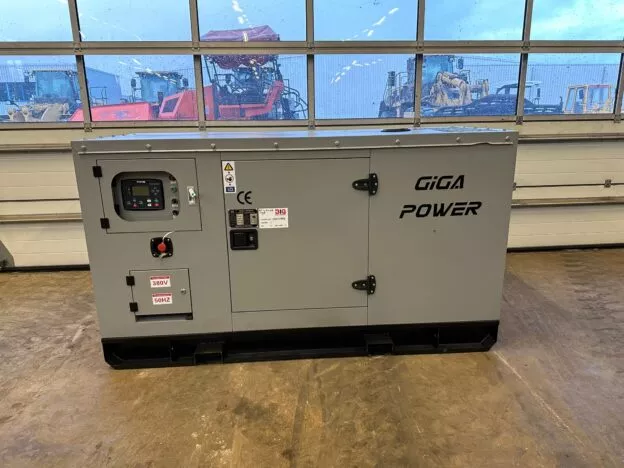
Image source: The Commercial Trader
Choose a used generator by defining what it will power, how long it will run and the electrical supply the site needs. Compare the appropriate duty rating, kW and kVA output, voltage and phase, then investigate condition and included equipment. The best starting point is a clear load schedule, not the largest number in an advert.
Describe a normal working day
List the equipment you intend to supply and when it will operate. Include lighting, welfare facilities, chargers and occasional tools alongside major machines. Identify which loads run together and which can be scheduled separately. An electric air compressor starting during a busy shift deserves a place in that discussion, even if it operates intermittently.
Collect the equipment ratings and starting information for a generator specialist. Motor starting can require more power than normal running, so adding running figures alone may produce an unsuitable shortlist. Explain the consequences of an interruption too: restarting a hand tool and losing an entire production process create different purchasing priorities.
Compare the rating for the intended duty
Standby and prime ratings describe different duties. Standby generally concerns backup during supply interruptions; prime concerns supplying power for ongoing work, subject to the manufacturer's conditions. Cummins' generator application manual explains those distinctions. Obtain the exact model's ratings and have the specialist confirm which applies to your expected hours and load pattern.
Record both kW and kVA. They are related through power factor and are not interchangeable figures. Request a clear nameplate photograph and specification sheet so every candidate can be compared on the same basis. If one advert quotes standby output and another prime output, resolve that difference before treating the sets as equivalent.
Also establish whether the advert describes an identified machine ready for inspection or an enquiry about a model that can be supplied. Confirm its location, serial number, availability and asking currency. This avoids planning a project around equipment whose specification or delivery date is still undecided.
Plan the connection and the location
Have a competent electrical contractor specify the required voltage, frequency, phase, distribution and protective arrangements. Check outlet types and ratings against that plan. A three phase set needs its single phase loads considered properly; matching the total advertised output is not enough. Establish any transfer equipment needed where an existing supply is involved.
Decide where the generator will stand and how it will arrive. Include access for servicing, fuel arrangements, noise and exhaust. HSE's carbon monoxide guidance highlights the danger from petrol generators in enclosed spaces and recommends outside positioning that prevents fumes entering buildings. Have the chosen fuel type and location assessed together before installation.
Buy a documented working package
Ask for running hours, service records, repair history and details of recent testing. Agree what a demonstration will establish and have a suitable specialist interpret the results. An engine starting successfully tells you less than evidence of the set supplying an appropriate test load, with its controls and output assessed.
Get an inventory of the canopy, tank, control panel, cables, distribution equipment and other accessories included. For a towable unit, establish what transport checks and arrangements are needed. Compare the delivered price with connection, commissioning and any immediate repairs included in your budget. Confirm VAT treatment and any seller support in writing.
Frequently asked questions
Can I use the standby figure for everyday site work
Do not assume it is the correct rating. Give the supplier your intended hours and loading pattern and obtain confirmation of the appropriate duty rating for that exact set.
Is a low hour reading enough to judge condition
Use it alongside maintenance records, storage history and test evidence. Ask how the reading is supported and what servicing or repairs are due before the generator enters your service.
What information makes seller enquiries more useful
Send your load list, working hours, required supply, proposed location and delivery date. Request confirmation of the actual machine and included accessories so that quotations answer the same requirement.
Compare used generators and site power equipment, then contact sellers with your requirements. A small shortlist with confirmed ratings, testing and delivery scope makes it easier to choose a set that can support the working day you have planned. If you have a generator to sell, create a plant machinery listing.