
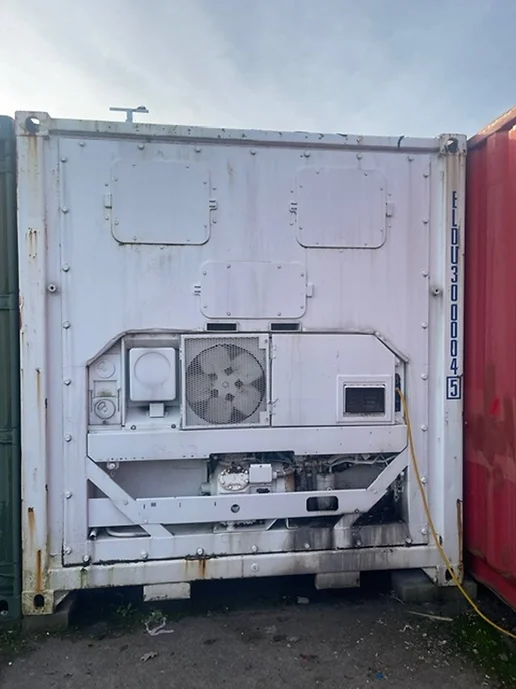
Image source: The Commercial Trader
Choose a used refrigerated container around the temperature your stock needs, the way you will load it and the services available on site. Confirm that the refrigeration works, that usable space suits your layout and that delivery includes the offloading you need. The purchase price becomes meaningful once those requirements are clear.
Define the storage duty
Tell sellers what you will store, its incoming temperature, the quantity held at the busiest point and how often the doors will open. A container holding sealed pallets overnight faces a different workload from one opened repeatedly during a catering service. Include expected summer conditions and any seasonal increase in stock.
When browsing shipping and storage containers, ask for the refrigeration model and its suitability for that workload. Confirm explicitly whether cooling equipment is operational and included. An advertised temperature range alone does not establish how quickly the unit can cool incoming goods or recover after deliveries.
Check usable space and airflow
Request internal dimensions, clear door openings and photographs of the floor and refrigeration end. Sketch the actual arrangement of pallets, shelves or roll cages, including the space needed to move them. Measure the approach to the door and any ramp, rather than relying on the container length in the advert.
Loading arrangements also affect cooling. Hapag-Lloyd’s reefer guidance explains the importance of keeping air circulating and respecting the load line and T-bar floor limits. Ask the supplier how your proposed shelving and picking aisles will work with that particular unit. Do not treat every empty corner as usable storage space.
Match power and installation requirements
Obtain a clear photograph of the electrical rating plate and the installation information. Have your electrician confirm voltage, phase, connection, supply capacity and the route from the available supply to the final position. Include any proposed generator in that assessment. A convenient location beside the building may still need significant electrical work. Request running-cost information for the intended storage duty, including the assumptions behind it; the equipment’s electrical rating does not by itself predict daily energy use.
Ask the refrigeration supplier about clearance around the machinery, drainage, service access and a suitable supporting base. Agree the orientation before delivery so doors open towards the loading route. Where staff will enter, check the internal door-release arrangements. Establish who will respond to temperature alarms and what you will do with stock during an interruption.
Inspect performance and price the complete setup
Inspect door seals, hinges, floor damage, internal surfaces and signs of water entry or corrosion. Request service records, recent fault reports and the refrigerant details. Ask a refrigeration engineer about parts availability and the likely work needed; a tidy exterior gives limited information about the cooling system.
Arrange a demonstration with the target temperature, test duration and conditions recorded. Ask for temperature logs and evidence of stable operation, including any alarms. Agree what commissioning checks will take place after installation before valuable stock goes inside.
Get an itemised delivered quotation covering transport, offloading, positioning, site preparation, electrical work and commissioning. Confirm access dimensions and lifting space with the delivery contractor. Add any immediate repairs, monitoring equipment and estimated energy use under your stated duty. These details let you compare the complete storage arrangement across sellers.
Frequently asked questions
Can I use a refrigerated container to freeze warm products
Do not assume so. Explain the incoming product temperature, batch size and required cooling time to the refrigeration supplier. Obtain confirmation of that duty; maintaining already frozen stock and rapidly freezing a fresh batch place different demands on the equipment.
Does a successful empty test prove storage performance
It provides useful evidence of operation under the test conditions. Ask what additional checks are needed for your loaded layout, door openings and ambient conditions. Confirm where temperatures will be measured once the container is in service.
What should the delivery quotation include
Ask whether it covers offloading and final positioning, what access is assumed and who prepares the base. Separate those costs from electrical connection and refrigeration commissioning so responsibilities are clear before the delivery vehicle arrives.
Explore refrigerated containers and save suitable listings to your favourites. Send sellers the same stock, power and access requirements to obtain useful answers and comparable delivered quotations. If you have a refrigerated container to sell, create a shipping container listing.