
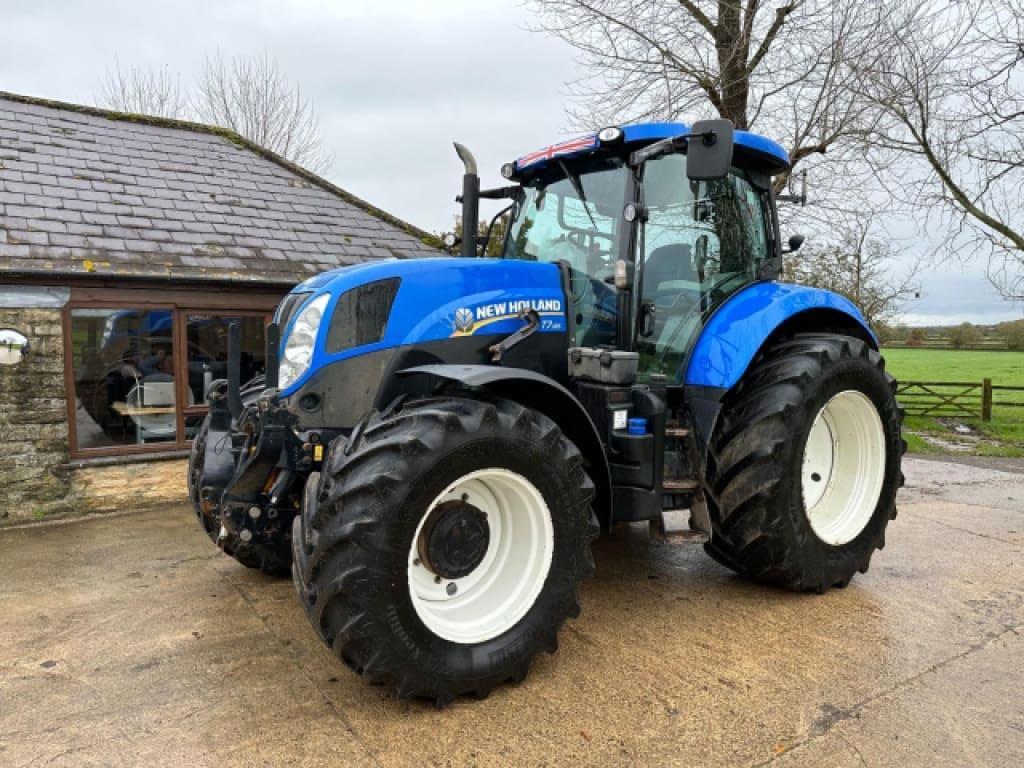
Image source: The Commercial Trader
To prepare a used tractor for sale, bring together its identity, recorded hours, maintenance history and exact specification before taking photographs. Describe its present condition, make clear which equipment is included, and plan how buyers can inspect and collect it. This gives prospective owners the information they need to judge whether the tractor fits their work.
Cleaning helps people see the machine properly. The stronger selling points are specific facts you can support: recent repairs, useful options, sound tyres and a history that explains how the tractor has been used.
Put the hours and history in context
Record the make, full model designation, year and serial number from the tractor and its documents. Photograph the hour meter and date the reading. If the tractor remains in use, explain that the hours may increase before collection. Disclose a replacement or faulty meter and any uncertainty about total hours.
Gather service invoices, workshop reports and records of major work, including transmission, engine and hydraulic repairs. Arrange them by date and hours where available. Describe the tractor’s main duties and period of ownership. If records cover only your ownership, say so; a recent service should not be presented as a complete history. Note which work your own workshop carried out and which was completed by an outside engineer. Include receipts for parts where there is no formal invoice for the work.
Describe the specification and included equipment
Confirm engine power, transmission, drive configuration, PTO speeds and hydraulic services from documentation for the actual tractor. Identify fitted options such as front linkage, loader brackets, additional spool valves or guidance equipment. Give tyre sizes and condition, including mismatched tyres or replacements that a buyer should assess.
Buyers comparing tractor attachments and implements need more than a horsepower figure. Supply the documented linkage, lifting and hydraulic specifications so they can investigate compatibility. List the loader, bucket, ballast, drawbar, top link, screens and other accessories included in your price. Label equipment visible in photographs that is being retained or sold separately.
Show the condition clearly
Take daylight photographs of every side, the cab, controls, tyres, linkage, PTO area and hydraulic connections. Add close views of wear, corrosion, damage and repairs. Clear pictures of the areas buyers will inspect save time when arranging viewings. Describe starting behaviour, leaks, warning messages and functions that need attention, using a workshop assessment where necessary.
Resolve safety defects before offering the tractor for use at work. HSE’s guidance on second hand machinery explains sellers’ duties, including necessary safeguards and instructions. It also makes clear that wording such as ‘sold as seen’ does not remove those duties. Include the correct operator’s handbook with the sale.
Prepare the viewing and collection details
Decide what can be demonstrated safely by a competent operator and explain this before the visit. Allow time for an independent inspection, document review and a genuine cold start if agreed. A short video can help an interested buyer prepare questions, but it should be dated and show the tractor being offered.
State the actual location, access restrictions, availability date, price and VAT basis. Agree responsibility for transport and loading, including whether suitable assistance is available. Put the final equipment inventory and any agreed repairs in writing, so the machine collected matches the purchase agreement.
Frequently asked questions
What should I say if the hours cannot be verified
State the displayed reading and explain why it may not represent total use. Add dated records that you do have. Avoid estimating a lifetime total unless you can show how it was established; buyers can assess the uncertainty alongside condition and maintenance evidence.
Should I sell the loader with the tractor
Choose a clear package and price it accordingly. Identify the loader, brackets, controls and attachments included. If separate prices are available, explain exactly what remains with the tractor under each option, including who handles any removal.
How should I set an asking price
Compare the same model and similar specification, hours, condition and equipment. Account for documented repairs and outstanding work. Advertised prices are asking prices, so use them as context without assuming they represent completed sales.
Review comparable agricultural tractors, then prepare your listing around the differences buyers need to understand. The site’s listing guidance explains how to add your machine; have the specification, photographs and collection details ready before you begin.