New & Used Aviation & Commercial Drones For Sale

Home /

Aviation & Commercial Drones

Narrow your search to find your next machine today

Browse other related services

Get in touch with the team to advertise your business today. Contact us now. 

Get in touch with the team to advertise your business today. Contact us now. 

What is commercial aviation equipment?

Commercial aviation equipment covers any aircraft or unmanned platform operated for commercial rather than purely private leisure use. The category spans fixed-wing aircraft (commercial jet airliners, turboprop regional planes, dedicated cargo aircraft, business jets), rotary aircraft (helicopters used in HEMS, offshore transfer, training, news, ENG and corporate work) and commercial drone platforms (unmanned aerial vehicles for survey, inspection, mapping, agriculture, security and delivery). All commercial aviation activity in the UK is regulated by the Civil Aviation Authority (CAA), with airworthiness, registration, pilot licensing and operator certification required for every commercial flight.

The aviation second-hand market is global, complex and historically broker-driven. The Commercial Trader pulls fixed-wing, rotary and unmanned listings into one searchable marketplace where you can compare options and contact sellers directly.

  • Direct contact with sellers: every listing includes seller details for direct discussion of hours, maintenance status, equipment fit and delivery.
  • Wide platform range: from sub-£10,000 commercial drones up to multi-million-pound jet airliners and cargo aircraft.
  • Established manufacturers represented: listings frequently feature platforms from Boeing, Airbus, ATR, Embraer, Bombardier, Cessna, Piper, Beechcraft, Robinson, Airbus Helicopters, Bell, Leonardo, DJI, Yuneec and others.
  • UK and European reach: stock listed from operators, dealers, brokers and end-users across multiple jurisdictions.

Why buy used commercial aviation equipment?

The vast majority of fixed-wing and rotary transactions involve second-hand aircraft. The economics, depreciation profile and regulatory regime make used buying the default for most operators.

  • Substantial cost savings: used aircraft typically sell at a fraction of newbuild price, with the steepest depreciation already absorbed.
  • Immediate availability: new aircraft can carry multi-year build slots. Used platforms are typically available for delivery within weeks.
  • Documented operating history: log books, AAIB notices and continuing airworthiness records give a clear picture of how a platform has been operated and maintained.
  • Strong aftermarket support: established manufacturers maintain global parts, training and MRO networks, supporting ageing platforms for decades.
  • Resale liquidity: well-maintained aircraft hold value and the second-hand market is well-developed, supporting resale when operations change.

Jet passenger planes

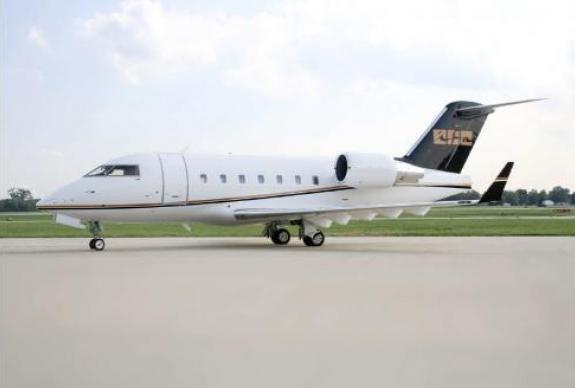
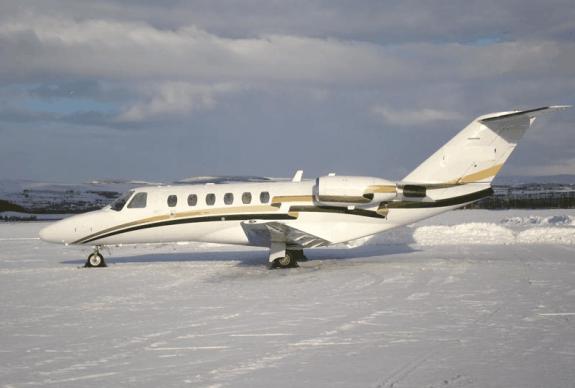
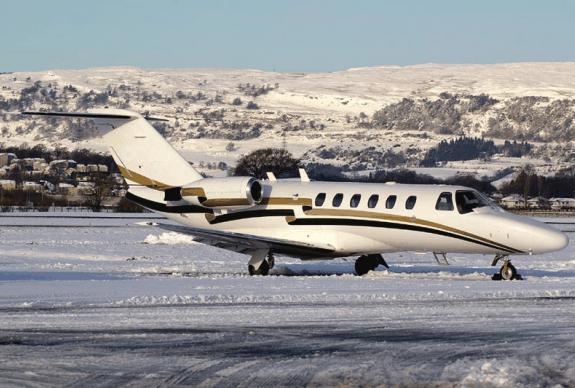
Jet passenger planes cover regional, narrow-body and wide-body aircraft used by airlines, charter operators and corporate flight departments. Common models include the Boeing 737 family, Airbus A320 family, Embraer E-Jets, Bombardier CRJ series and a range of executive and VIP-converted airframes.

Prop passenger planes

Prop passenger planes include turboprop regional aircraft (ATR 42/72, Bombardier Q400, Saab 340) plus piston-engine light aircraft for training, charter and short-haul work (Cessna 172/182, Piper PA-28 series, Beechcraft Bonanza). Operating economics make turboprops attractive on shorter sectors.

[H3] Cargo planes

Cargo planes cover purpose-built freighters and converted passenger airframes (P2F, P2C). Common platforms include the Boeing 737-800F, 757F, 767F and 777F; Airbus A330-200F; ATR 72-500/600F; and historic types such as the BAe ATP and Saab 340 in cargo configuration.

Helicopters

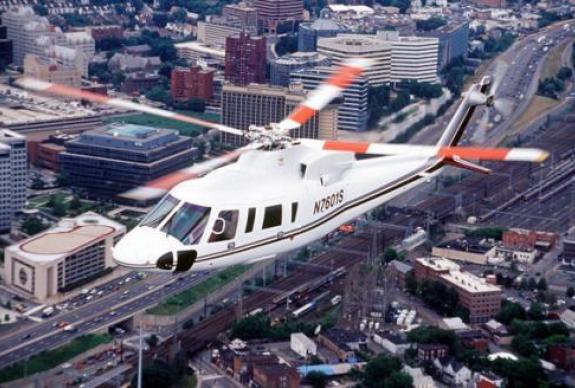
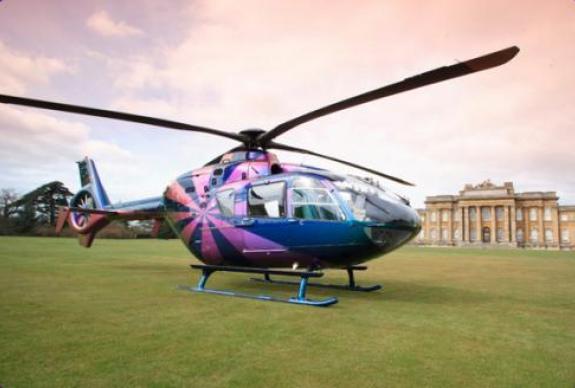
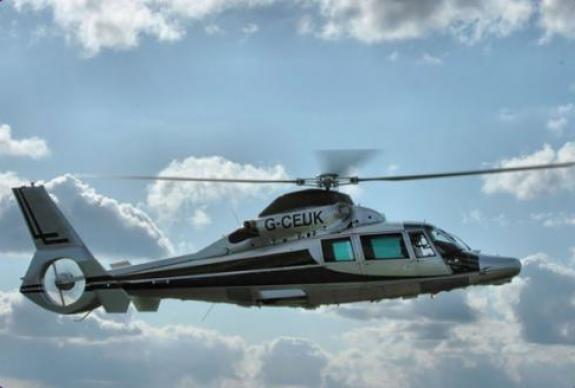
Helicopters serve a wide range of commercial roles, including HEMS (helicopter emergency medical services), offshore wind and oil/gas transfer, ENG and aerial filming, corporate transport, survey and law enforcement. Common platforms include the Robinson R44/R66, Airbus H125/H135/H145, Bell 206/407/429, Leonardo AW109/AW139 and Sikorsky S-76/S-92.

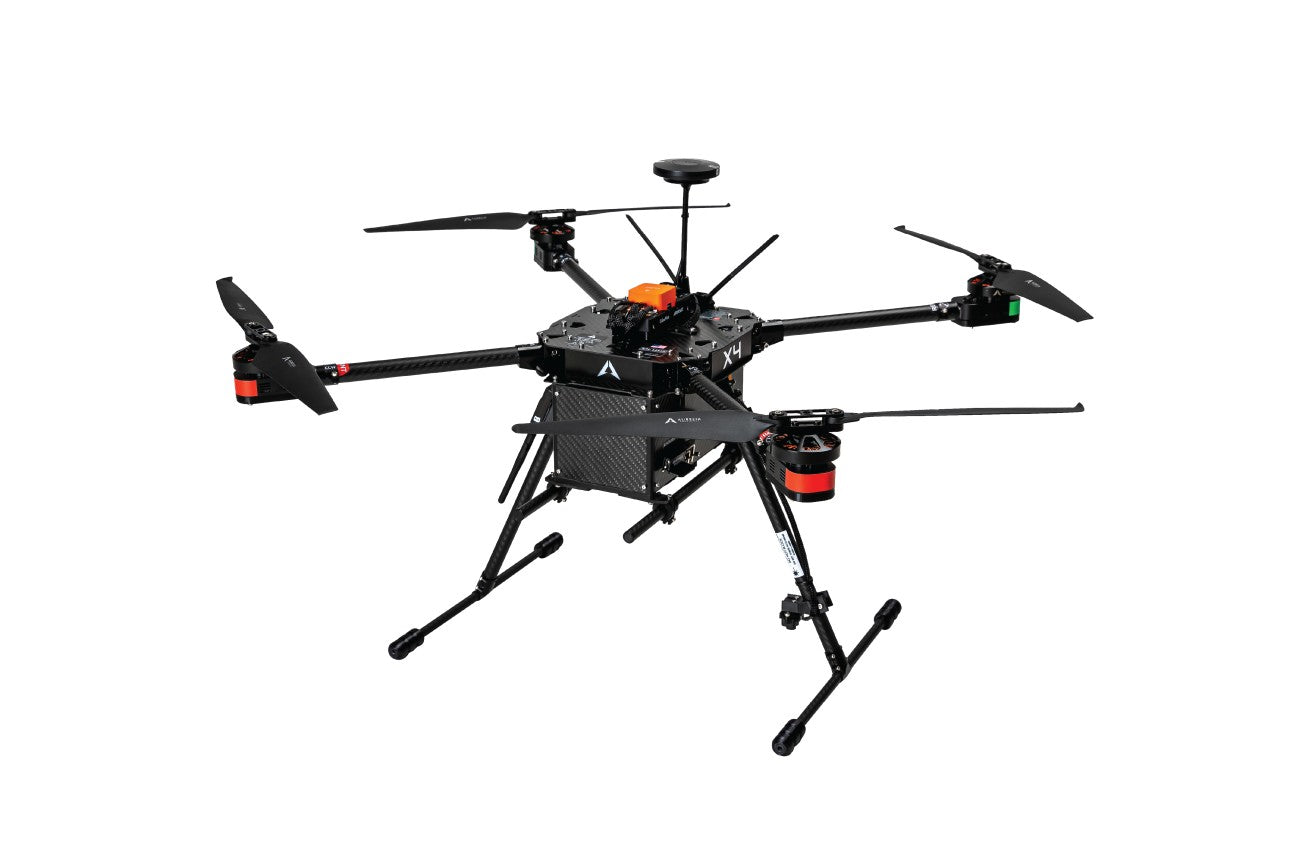
Commercial drones

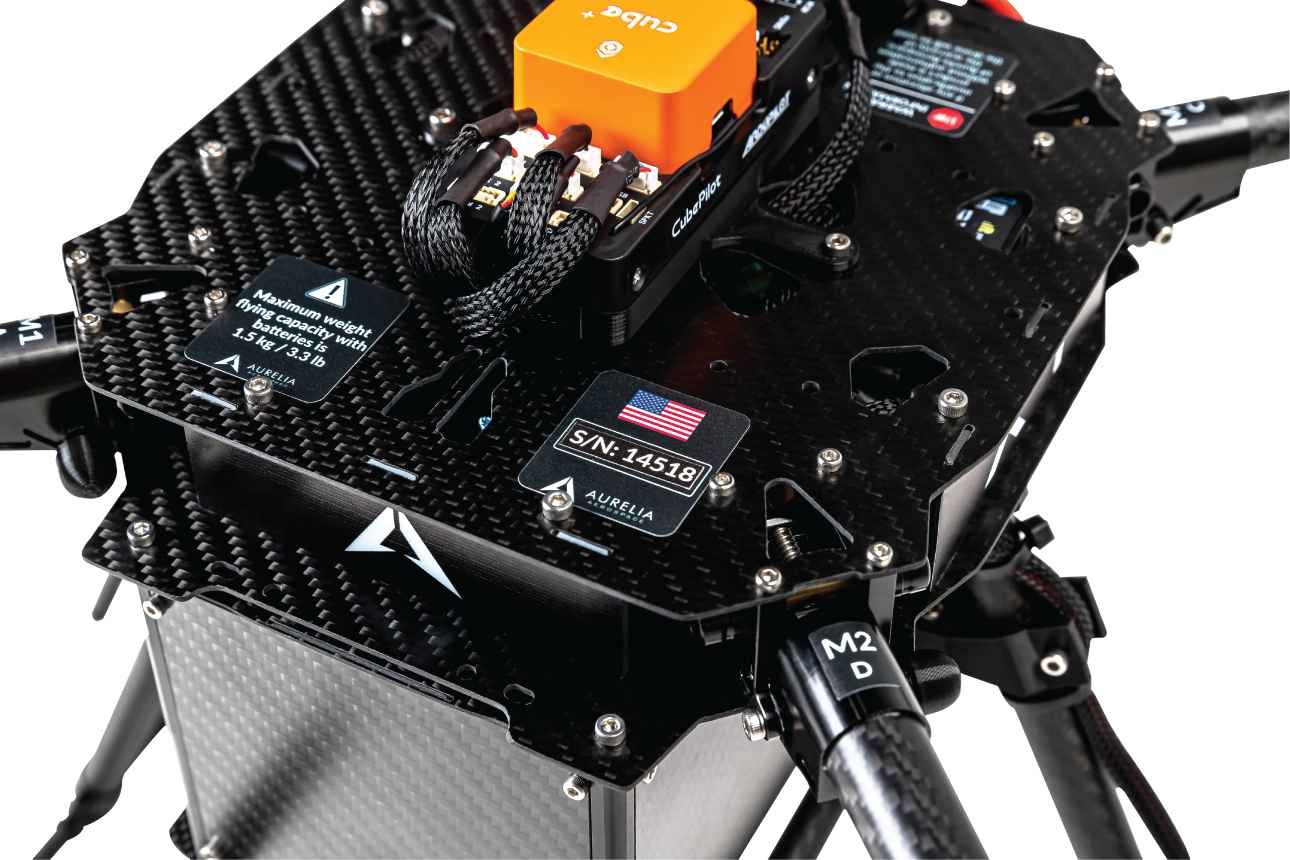
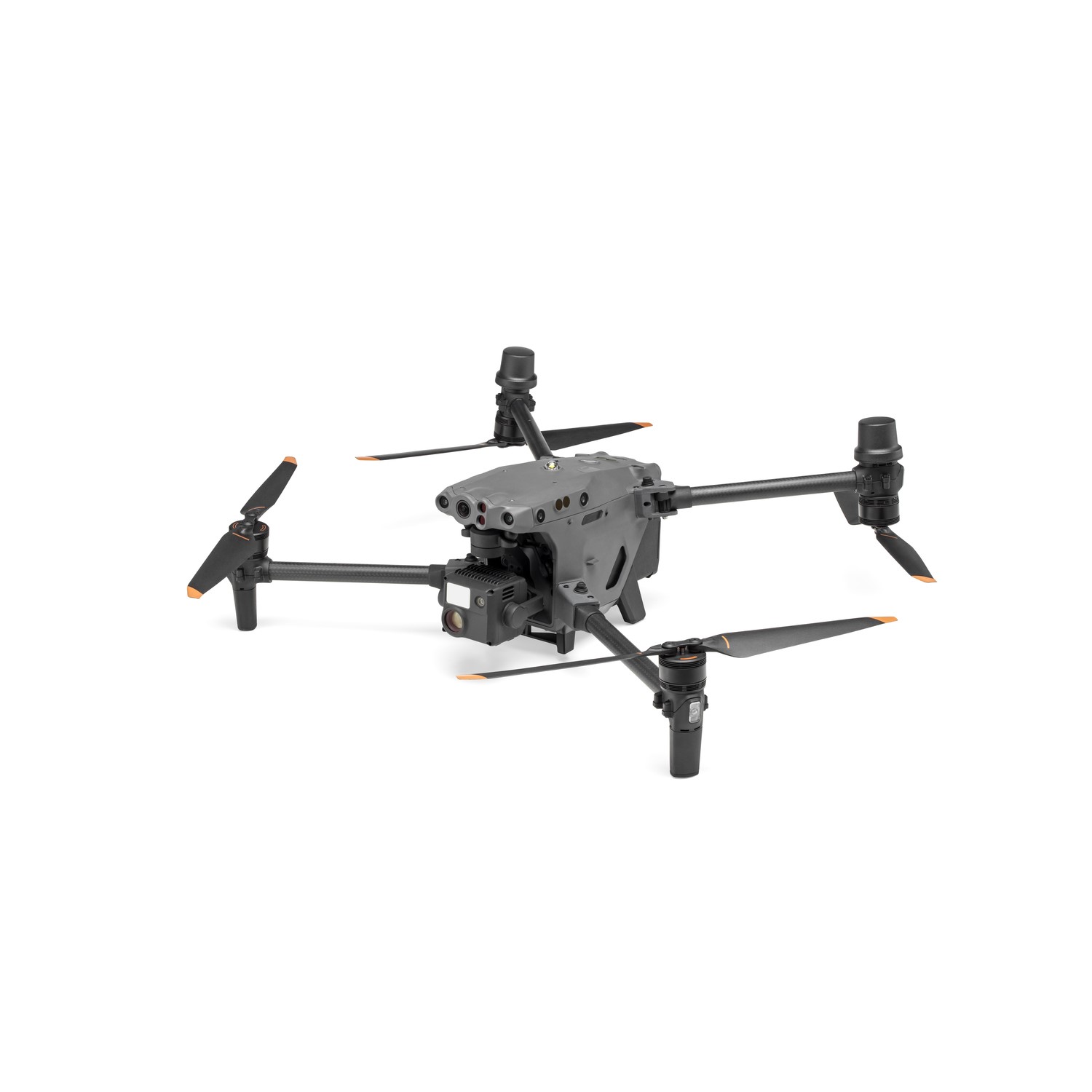
Commercial drones support inspection, mapping, photogrammetry, agriculture, search and rescue, security and delivery. Common platforms include the DJI Matrice and Mavic Enterprise series, Yuneec H520, Skydio X10, Parrot Anafi USA and a growing range of fixed-wing and VTOL survey UAVs. Operators must comply with UK CAA regulations including category and competency requirements.
  • Total airframe hours and cycles: the most important spec on any commercial aircraft. Cycles (take-off and landing pairs) drive structural fatigue more than hours alone, especially on short-haul fleets.
  • Engine condition and time remaining: engines have defined intervals between hot-section inspections (HSI) and overhaul (TBO). Time remaining materially affects market value.
  • Maintenance status and AD compliance: review continuing airworthiness records, last C-check or equivalent, AAIB notices and outstanding airworthiness directives (ADs).
  • Avionics and equipment fit: modern avionics (Garmin G1000/G3000, glass cockpits, ADS-B, EFB integration), autopilot capability, FANS-1/A, RVSM and MNPS approval all affect operating capability and value.
  • Registration and import: consider G-register requirements, import VAT, EASA Part-CAMO transition status (post-Brexit) and any ferry-flight requirements.
  • Damage history: any incident, accident or major damage repair should be fully disclosed and documented. Aircraft with major repairs typically command lower prices.
  • Pre-purchase inspection: always commission an independent pre-buy inspection at an approved Part-145 maintenance organisation before signing.
  • Scheduled and charter passenger aviation: airlines, regional operators and charter companies deploying jet and turboprop fleets across UK, European and global routes.
  • Air cargo and logistics: dedicated cargo operators and integrators (parcel and express) running freighter fleets for next-day and global supply chains.
  • Helicopter emergency medical services (HEMS): air ambulance charities and NHS-contracted operators using rotary platforms for primary and secondary patient transport.
  • Offshore energy: helicopter transfer operations supporting oil, gas and offshore wind platforms across the North Sea and Atlantic.
  • Corporate, executive and VIP: business jets and helicopters supporting corporate travel, executive transfers and VIP charter operations.
  • Survey, mapping, agriculture and inspection: drones and light aircraft supporting infrastructure inspection, mapping, photogrammetry, precision agriculture and asset surveys.

Aviation is inherently international, and our listings reflect that. Aircraft and drones are listed from sellers across the UK, Ireland, Northern Europe, the Mediterranean, Middle East and beyond. Use our distance filter to find platforms close to home, or expand the search globally for the right specification.

Yes. UK commercial aircraft operations require pilots to hold a Commercial Pilot Licence (CPL) or Airline Transport Pilot Licence (ATPL) with appropriate type ratings, current medicals and Operator Conversion Course completion. Operators need a CAA Air Operator’s Certificate (AOC). Commercial drone operators must comply with UK CAA UAS regulations including operational category (Open, Specific, Certified), pilot competency and operational authorisation. Always check the latest CAA guidance before commercial flying.

Well-maintained commercial aircraft commonly trade for 25-30 years, with airframe life ultimately limited by cycles and structural fatigue rather than calendar years. Narrow-body airliners typically retire from front-line service at 20-25 years and may continue in cargo or charter roles. Helicopters and turboprops often serve 25-35 years with ongoing maintenance. Commercial drones evolve rapidly, with operational life typically 5-10 years before they’re replaced by newer platforms.

Aircraft purchases are governed by the Aircraft Sale and Purchase Agreement (ASPA) between buyer and seller, often based on AOPA, IADA or bespoke industry templates. Any return, recission or remedy must be handled under that contract. Pre-purchase inspection at a Part-145 organisation, full records review and an acceptance flight are standard due diligence steps before signing.

Advertise with The Commercial Trader

Thanks for choosing to advertise on The Commercial Trader – please fill in your information below and one of our team will be in contact within the next 48 hours to arrange uploading your products for you.