
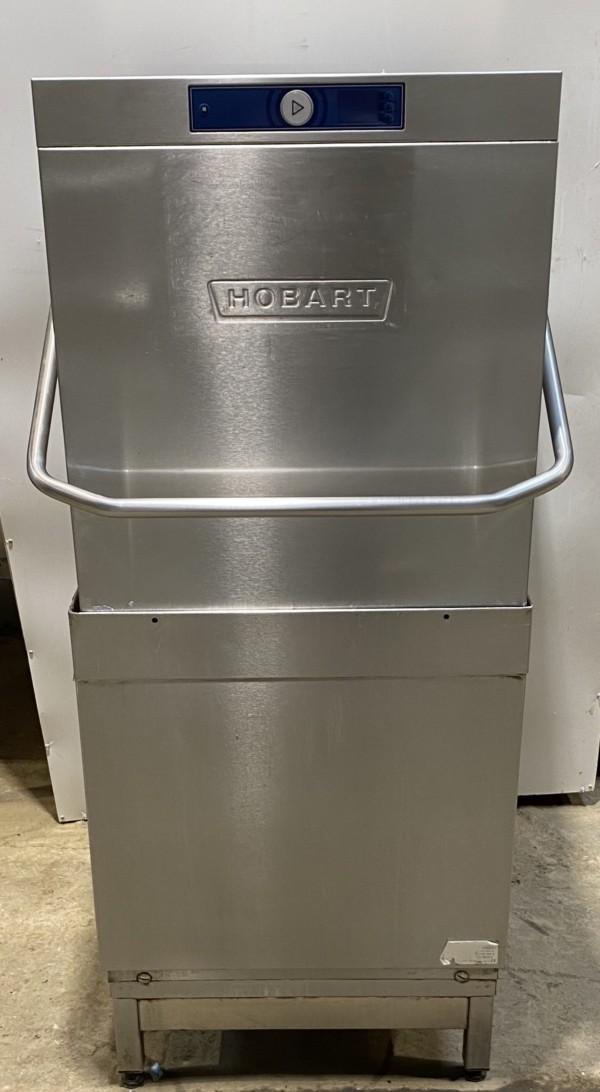
Image source: The Commercial Trader
A used commercial dishwasher should clear your busiest service without creating a queue of dirty crockery. Start with the items and racks you need to wash, then check the machine’s opening, electrical configuration, water supply and drainage. A demonstration using representative loads is more useful than a photograph of an illuminated control panel.
Size the machine around peak service
Count the plates, cups, cutlery and other items returning during your busiest period. Work out how these fit into racks and how quickly clean items must return to service. Include scraping, loading, unloading and any repeat washing when considering practical throughput. The shortest advertised programme is only one part of that process.
Discuss the washing pattern with sellers when comparing commercial catering equipment. An undercounter machine may suit a compact operation; a hood machine needs a layout that supports racks moving through it. Ask which programme suits your normal level of soiling and whether the machine can sustain repeated cycles with your proposed utilities.
Measure the rack and the working space
Bring your largest plate, tray or utensil to a viewing, or send accurate measurements ahead. Confirm rack dimensions, usable opening height and clearance for the wash arms. A machine that accepts a rack may still be unsuitable for the tallest item placed inside it.
Measure the delivery route as well as the installation space. Allow for the open door or raised hood, pipe connections, cleaning access and room to store chemicals. Plan separate places to receive dirty items and set down clean racks. Ask whether stands, baskets, cutlery holders and any inlet or outlet tables are included, and check that existing racks actually fit.
Check the exact utility configuration
Request the model, serial number, rating-plate photograph and installation manual. Hobart’s FX specifications illustrate why the exact configuration matters: models in one range have several electrical supply options. Have the installer confirm the configuration of the used machine being offered, together with available power, water feed, drainage and ventilation.
Ask about permitted inlet temperature, water pressure and the drain arrangement. Establish whether a drain pump is fitted and suitable for your waste connection. Confirm the treatment required for local water quality: Winterhalter’s water-treatment guidance explains how softening helps prevent limescale. Check whether the sale includes a working softener, dosing pumps and any other treatment equipment your installation needs.
Watch a proper wash and price the extras
Ask to see the machine fill, heat, wash, rinse and drain. Use a representative load and inspect the results, including awkward items and heavily soiled areas. Watch several cycles if peak throughput matters. Have the engineer confirm that the operating temperatures and programme settings match the manufacturer’s requirements for the intended use.
Check the tank, filters, wash arms, seals and door or hood mechanism. Look for scale, leaks, damaged components and repeated error messages. Request service invoices and details of any refurbishment, including which parts were replaced. Confirm local service support and parts availability for the exact model.
Compare the asking price with delivery, installation, water treatment, missing racks and immediate repairs included. Ask for any warranty terms in writing, covering duration, parts, labour and exclusions. Agree who commissions the machine and demonstrates daily cleaning and chemical replenishment before handover.
Frequently asked questions
Can I judge capacity from the wash cycle time
Cycle time is a starting point. Check how many of your items fit each rack, which programme cleans them properly and the time needed between loads. A demonstration should reflect the way your kitchen will operate during its busiest service.
Will a glasswasher also handle our plates
Check the manufacturer’s intended use, programmes, rack arrangement and opening dimensions. Do not assume similar external dimensions mean equivalent washing duties. Explain the mixed load to the supplier and test the items you actually need to clean.
What if the seller cannot demonstrate the machine
Request a recent engineer’s report and arrange an independent assessment where practical. Identify which functions remain unverified and obtain repair estimates before agreeing a price. Make any promised testing or remedial work explicit in the purchase terms.
Browse used catering equipment and contact sellers with your peak rack demand, largest items, and utility details. Their answers will help you choose a machine that fits both the kitchen and its daily workload. If you have a dishwasher to sell, create a catering equipment listing.