
Quick answer: To sell a used modular building successfully, confirm ownership, measure and describe each module, document its condition and services, and establish how it can be disconnected, lifted and removed. Buyers need the total relocation picture—not just a sale price—before they can judge whether the building is suitable.
Used modular buildings can be practical for offices, classrooms, site welfare and temporary accommodation. Yet their value depends heavily on whether the purchaser can relocate and reuse them economically. A unit that looks affordable may prove difficult to move from a restricted site.
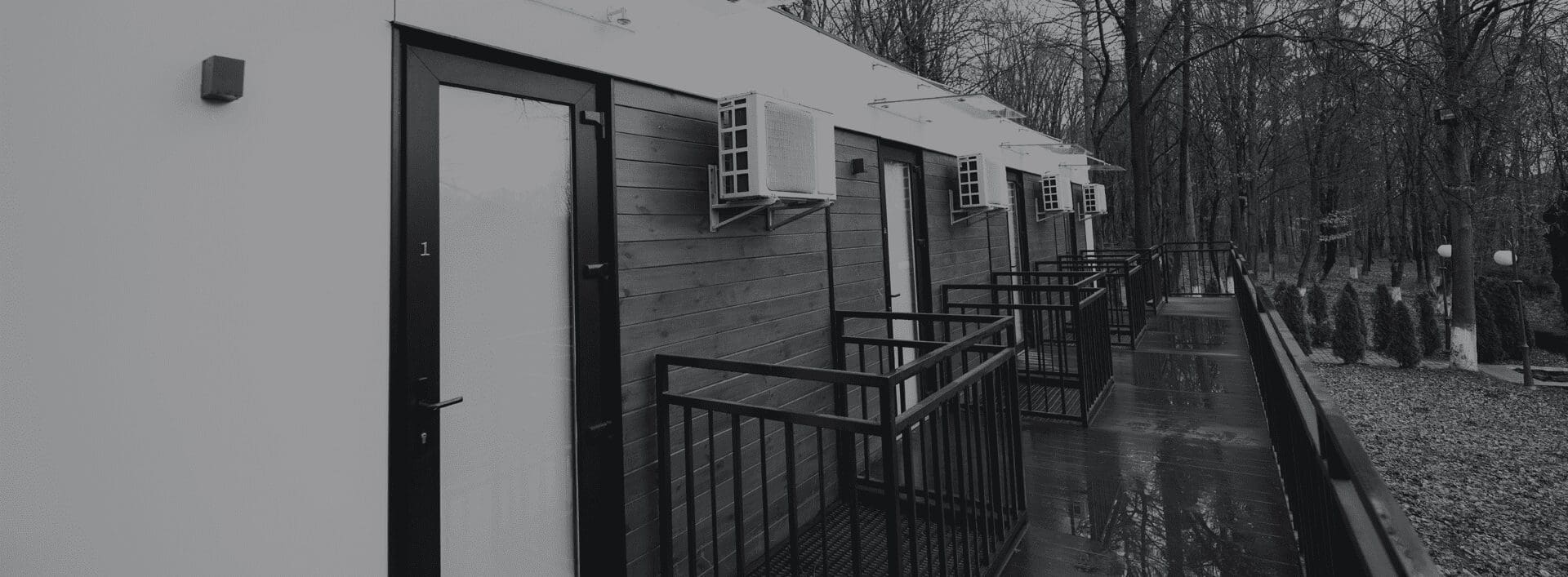
What details should be included in the advert?
State the number of modules, external dimensions, layout, approximate age and prior use. Record roof and wall construction where known, insulation, doors, windows, flooring, heating, electrics, plumbing, toilets and kitchen facilities. Include floor plans, a photograph of every room and clear pictures of the roofline and external walls.
Explain whether the building is supplied with furniture, steps, ramps, skirting or other fixtures. Describe any damaged panels, damp, leaks, corrosion, alterations or known faults. Buyers comparing two similar buildings will often decide based on the completeness of this information.
Who is responsible for disconnecting and lifting the building?
Agree the responsibility in writing before accepting a deposit. Electrical, gas and water disconnections should be carried out by appropriately competent people. Lifting plans, craneage, transport, escort needs and road restrictions require specialist assessment where relevant.
Give the buyer enough information to seek a haulage quotation: module dimensions, estimated mass where available, lifting arrangements, site postcode, access width, ground conditions, overhead obstructions and available collection dates. Do not promise that a building can be lifted whole without checking how it was assembled or connected.
Which documents help a buyer decide?
Gather the original plans and specification, any available structural and lifting information, service records, electrical or gas paperwork where applicable, and details of previous modifications. Explain honestly what is missing. If the intended new use may be subject to planning permission or Building Regulations, the buyer must make the relevant enquiries for their destination site.
If the building includes machinery or appliances for workplace use, make sure any applicable second-hand equipment safety duties are considered. A “buyer removes” term is useful commercially but does not automatically settle every legal obligation.
How do you set a realistic asking price?
Compare similar units by usable floor area, condition, accommodation specification, location and how readily they can be moved. Take into account refurbishment, transport and reinstallation costs. An empty but clean office module with straightforward access may be more attractive than a larger, complicated structure requiring expensive dismantling.
Offer viewings while the building is accessible and safe. Agree what the buyer may test and how deposits, collection deadlines, damage during removal and site reinstatement will be handled.
Frequently asked questions
Can I sell a modular building while it is still in use?
Yes, but give a realistic availability date and clearly identify which services or fixtures will remain until handover.
Is planning permission transferred with a used modular building?
Do not assume so. Planning status depends on the new site, use and circumstances. The buyer should check with the relevant local planning authority.
Who pays for the crane and transport?
It is a negotiated sale term. Make the allocation of costs and responsibilities explicit in the advert and agreement.
Next step: Review similar modular buildings for sale and describe yours with relocation information from the outset.