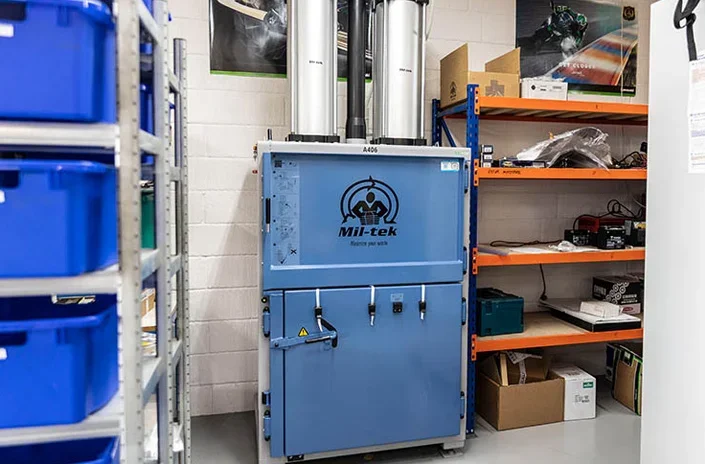
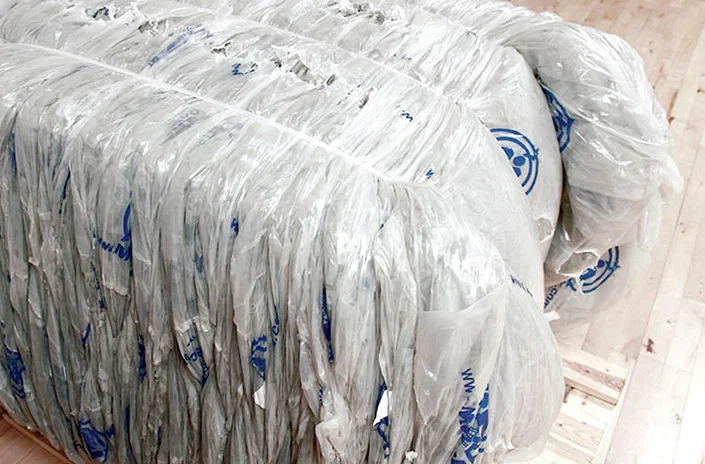
What is an industrial compactor?
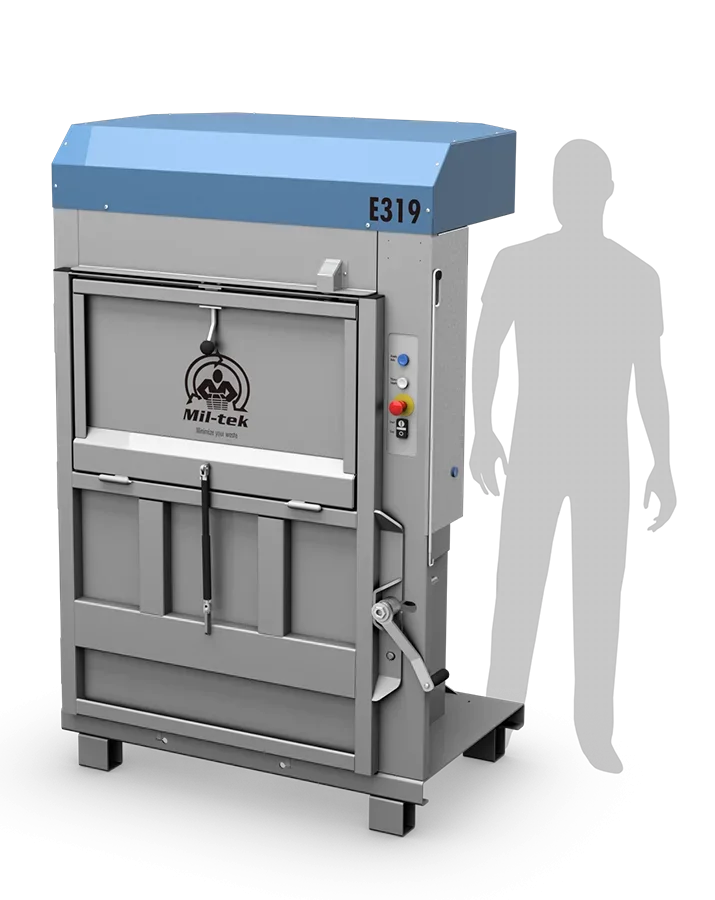
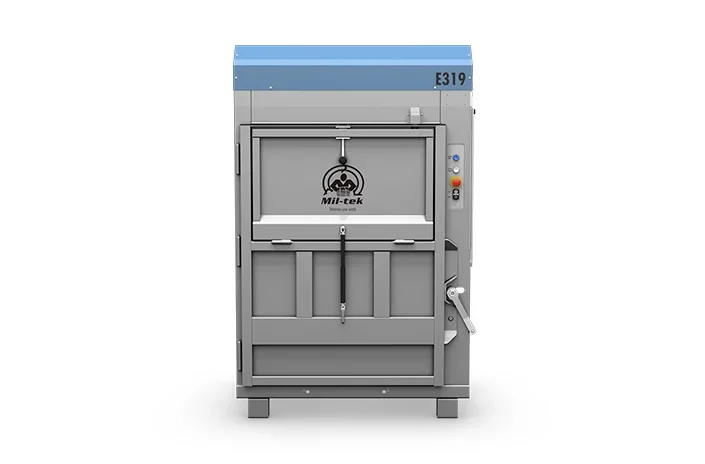
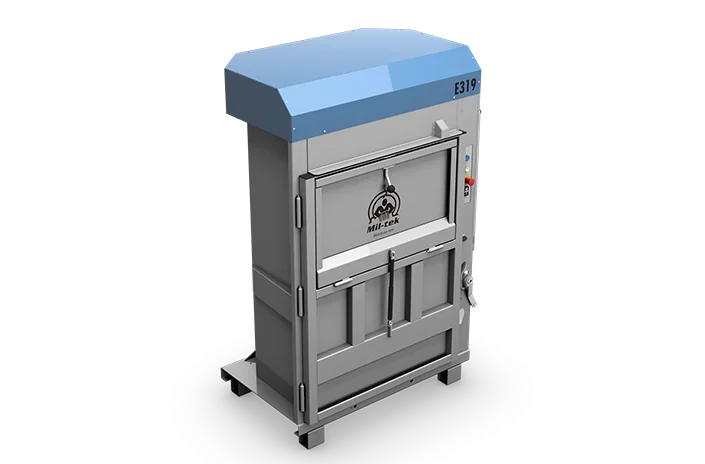
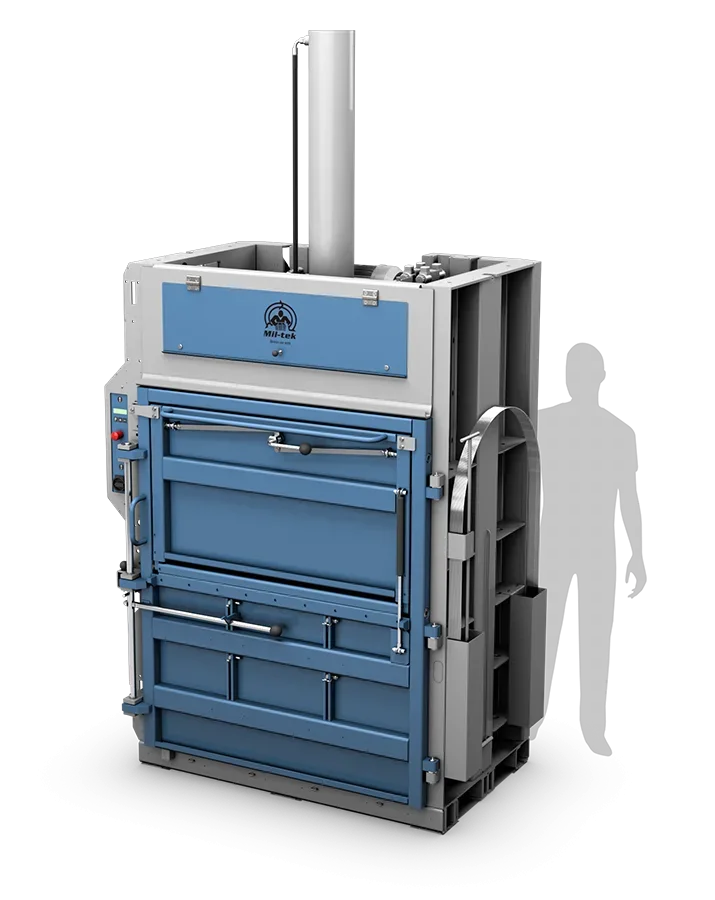
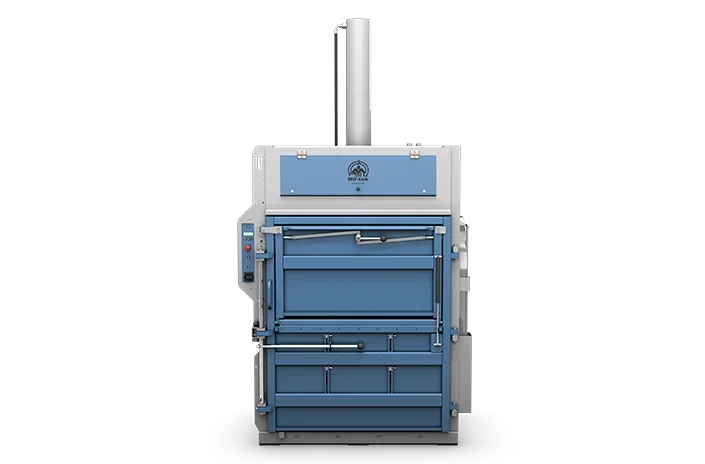
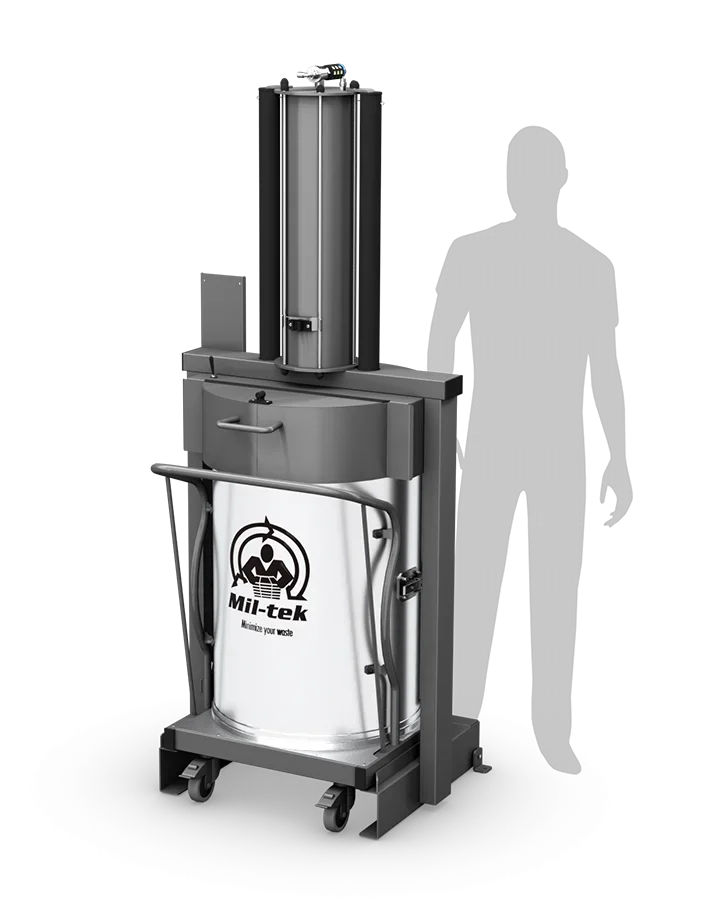
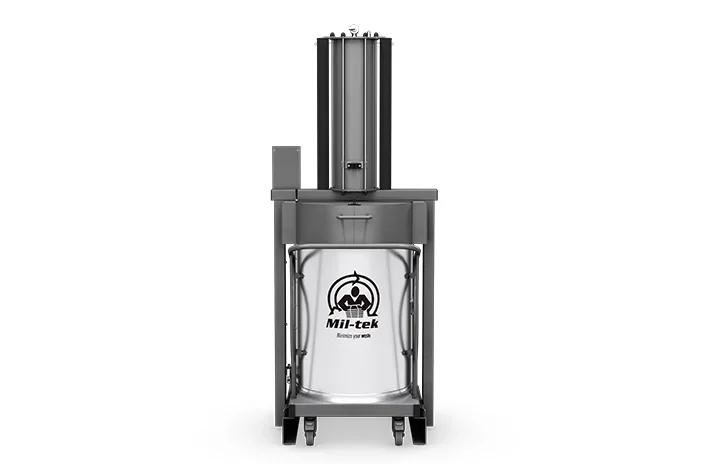
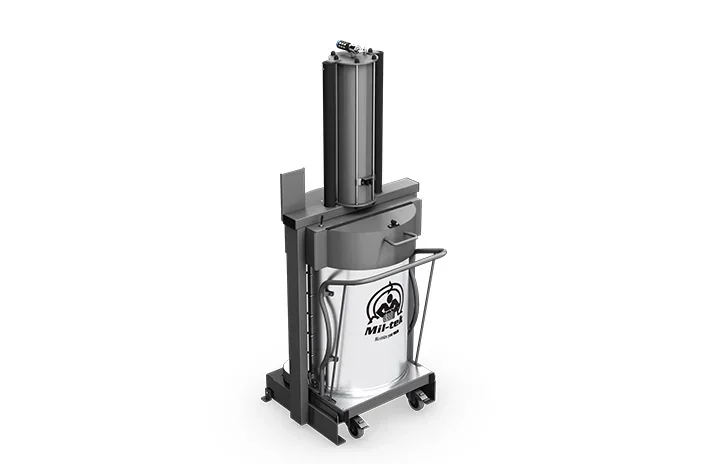
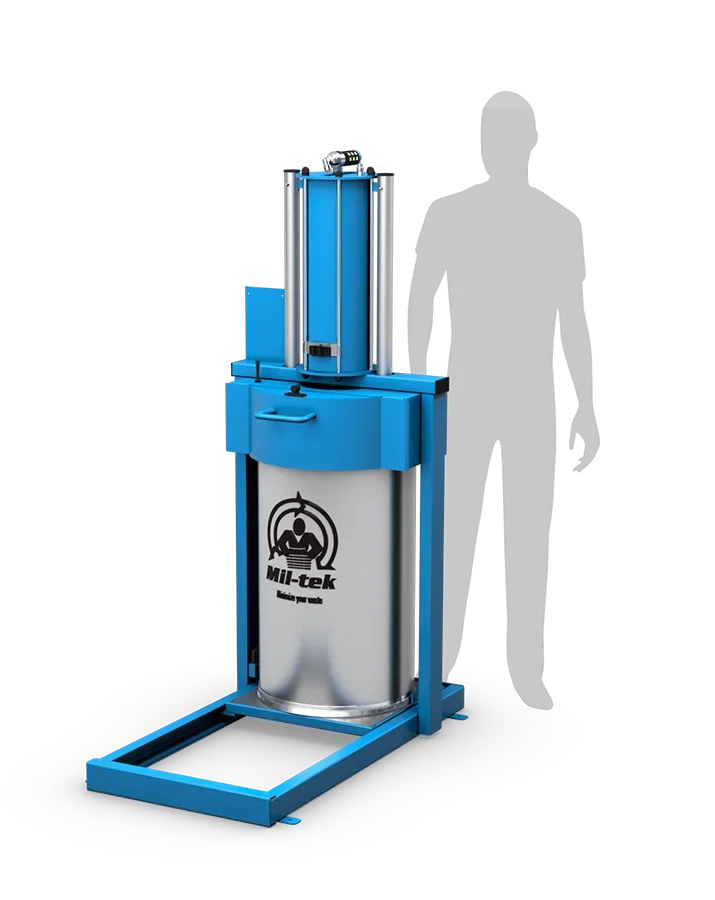
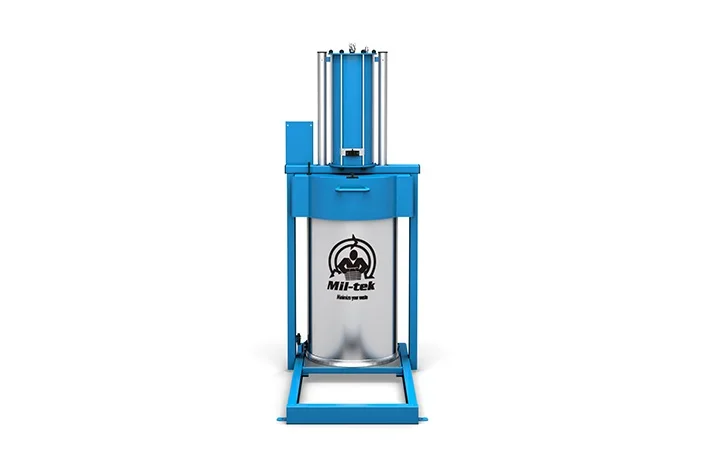
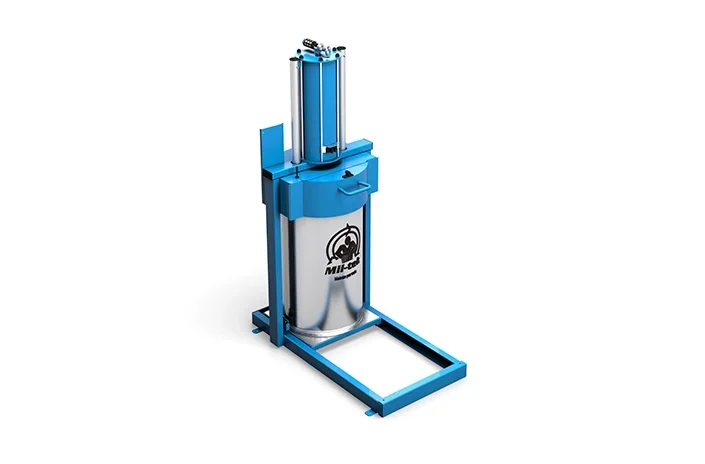
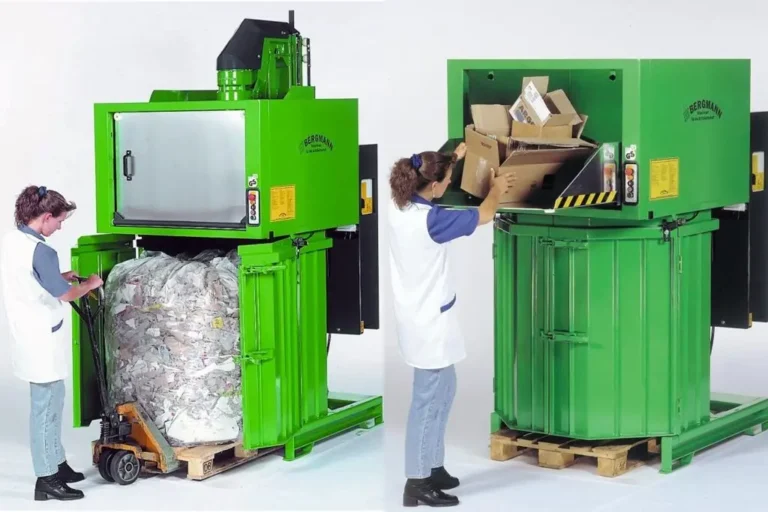
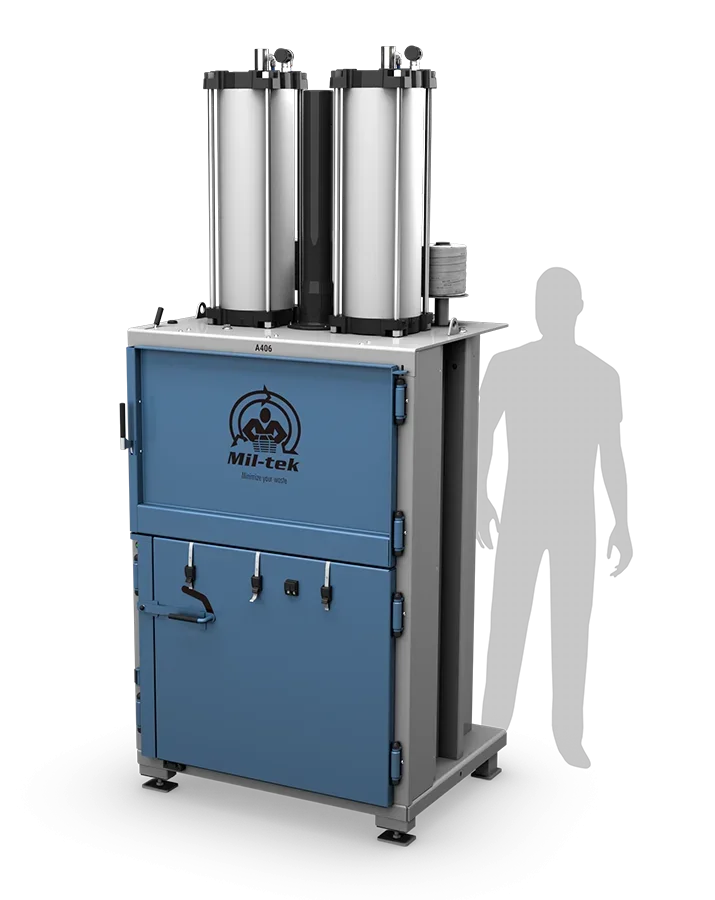
An industrial compactor is a piece of equipment that applies force to reduce the volume of a material or to densify a product. The term covers two broad families: waste compactors (which compress waste and recyclate to reduce volume, cut transport and disposal costs and improve handling) and process compactors (such as roller compactors, which densify powders into ribbons or granules for pharmaceutical and chemical processing). Industrial compactors are typically specified by capacity, compaction force, chamber or roller dimensions and drive type, with selection driven by the material and the application.
How long do industrial compactors last?
Quality industrial compactors routinely operate for 15-30+ years. Waste compactor frames and rams last decades with hydraulic maintenance; roller compactor frames and main components last the working life of the machine, with rollers and seals being wear items. Hydraulic systems, drives and control systems require periodic overhaul.
Why choose an industrial compactor?
Compaction delivers cost savings, process benefits and environmental advantages across waste management and process industries.
- Volume and cost reduction: waste compactors reduce waste volume by 50-90%, cutting collection frequency, transport costs and landfill charges substantially.
- Improved material handling: densified materials are easier to store, transport and feed into downstream processes, improving operational efficiency.
- Dry granulation: roller compactors produce granules without liquid or heat, ideal for moisture and heat-sensitive pharmaceutical and chemical products.
- Dust control: powder compaction reduces dust generation, improving workplace safety and meeting COSHH and DSEAR requirements.
- Revenue recovery: baled and compacted recyclate has resale value, turning a waste cost into a revenue stream.
Why buy a used industrial compactor?
Industrial compactors are good candidates for second-hand purchase because the frames and main structural components last for decades.
- Significant cost savings: used compactors typically cost 40-60% less than new equivalents, with quick payback on most installations.
- Immediate availability: new specialty compactors can have lead times of 8-16 weeks. Used stock is often available within days or weeks.
- Refurbishment-friendly: hydraulic overhaul, roller refurbishment, control upgrades and seal renewal return used compactors to as-new performance.
- Proven service history: compactors with documented operating history give clear evidence of duty cycle and reliability.
- Strong aftermarket support: established brands maintain UK service networks for both waste and process compaction equipment.
Types of industrial compactors for sale
Static waste compactors
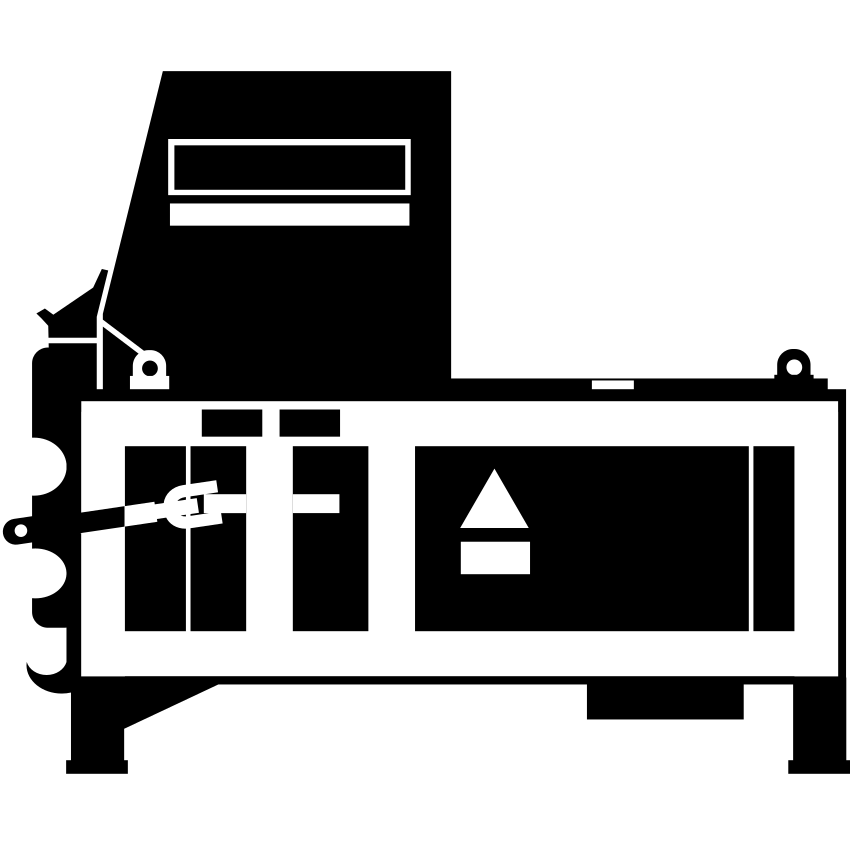
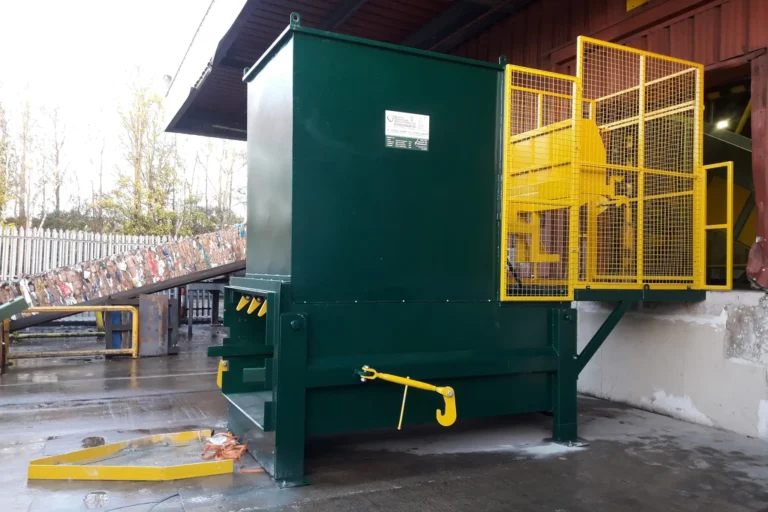
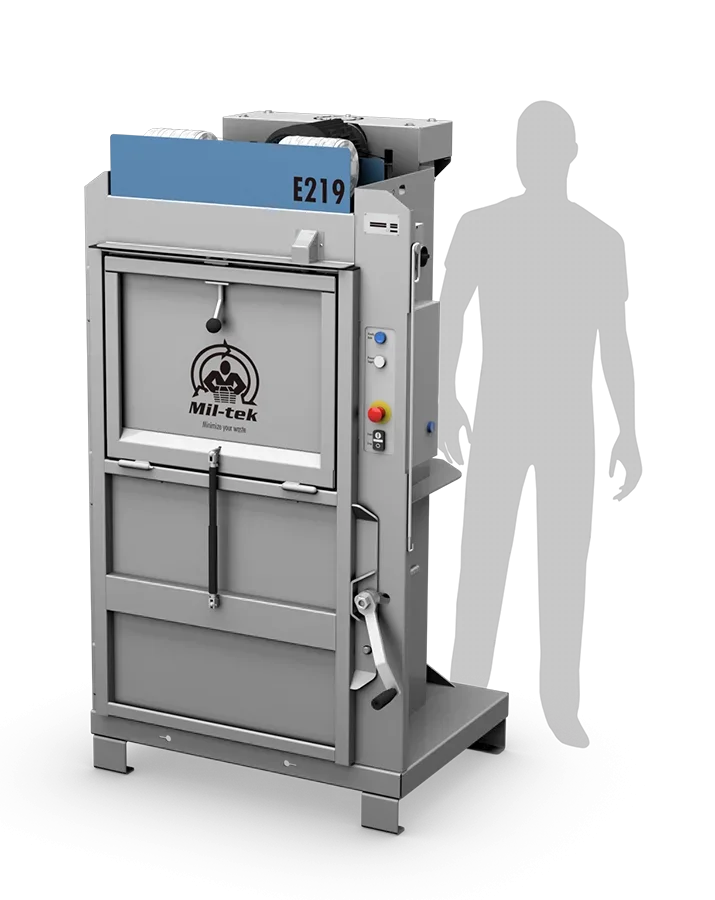
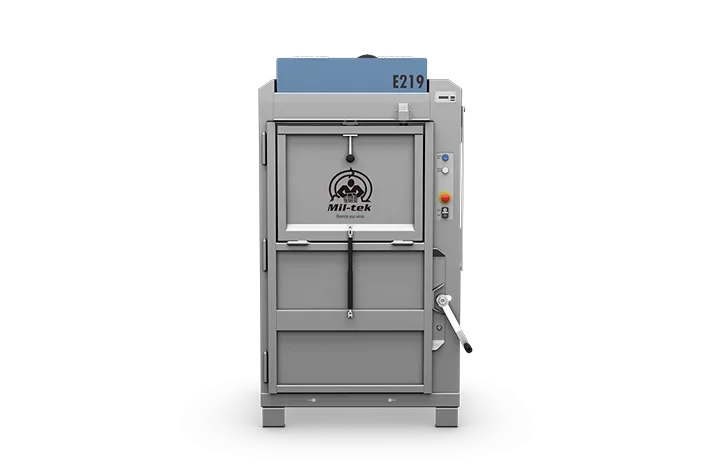
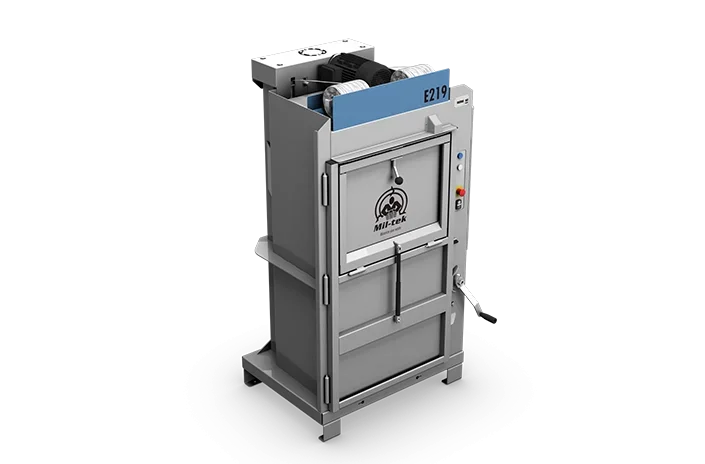
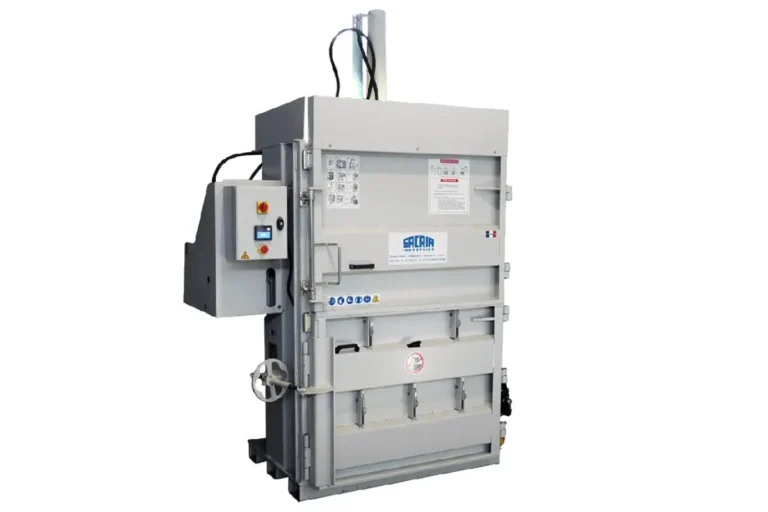
Static compactors are permanently installed and compact waste into a separate container that’s exchanged when full. Standard for high-volume waste producers including retail, manufacturing, distribution and logistics. Reduce collection frequency and transport costs significantly.
Portable and self-contained compactors
Self-contained compactors integrate the compaction unit and container into a single sealed unit, ideal for wet and liquid-bearing waste. Portable compactors can be relocated as needs change. Common in food production, hospitality and waste transfer.
Roller compactors (dry granulation)
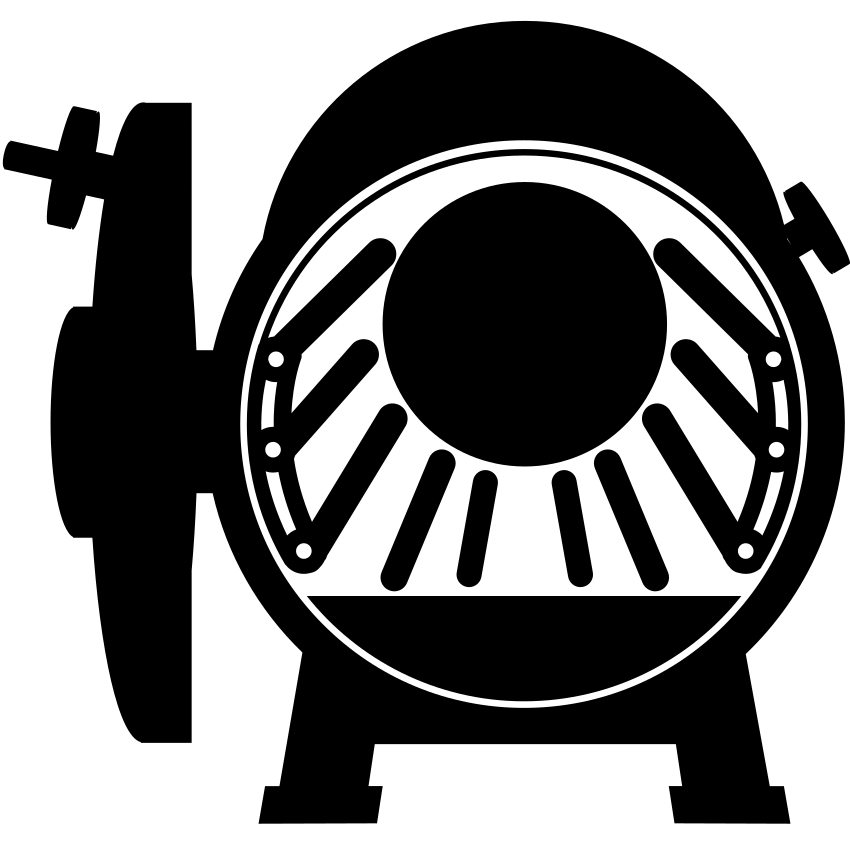
Roller compactors densify powders between two counter-rotating rollers to produce ribbons, which are then milled into granules. The pharmaceutical and chemical standard for dry granulation of moisture and heat-sensitive products. Manufacturers include Alexanderwerk, Fitzpatrick (Freund-Vector), Gerteis, Hosokawa and Komarek.
Briquetting and densification compactors
Compaction systems that densify metal swarf, sawdust, biomass and waste streams into briquettes for transport efficiency, fuel use or recycling feedstock. Overlap with briquetting press technology.
Key features to consider when buying an industrial compactor
- Application type: waste volume reduction versus process densification (dry granulation) are fundamentally different machines. Specify your application clearly.
- Capacity and throughput: for waste compactors, match to your waste volume and collection pattern. For roller compactors, match throughput (kg/hr) to your production demand.
- Compaction force: higher force achieves greater density. Roller compactors specify roller force (kN/cm); waste compactors specify ram force.
- Materials of construction: 316L stainless for pharmaceutical roller compactors; heavy-duty steel for waste compactors; food-grade construction for food waste applications.
- Hydraulic system: for waste compactors, hydraulic condition is critical. Check cylinder operation, seals and power pack condition.
- GMP and certification: pharmaceutical roller compactors need GMP-compliant design, IQ/OQ documentation and qualified materials traceability.
- Containment and dust control: powder compaction needs dust containment, COSHH compliance and (for combustible powders) ATEX rating.
Industries and use cases for industrial compactors
- Waste management and recycling: volume reduction of general waste, cardboard, plastics and recyclate at retail, distribution and manufacturing sites.
- Pharmaceutical and nutraceutical: dry granulation of APIs, excipients and supplements via roller compaction for moisture-sensitive products.
- Chemical processing: dry granulation of chemical powders, catalysts and specialty products.
- Food and beverage: compaction of food waste, packaging waste and process residues.
- Manufacturing and engineering: compaction of metal swarf, offcuts and production waste for recycling and disposal.
- Logistics and retail: high-volume cardboard and packaging waste compaction at distribution centres and stores.
What locations do we serve for industrial compactors?
As a buyer-to-seller marketplace, we feature industrial compactors from sellers across the UK and beyond. Use our location and distance filters to find equipment near your facility, supporting site visits and reducing transport costs.
Can I return an industrial compactor?
As we operate as a buyer-to-seller marketplace, any returns policy must be agreed directly with the seller before purchase. We’d recommend pre-purchase inspection wherever possible, including assessment of frame condition, hydraulic operation, roller condition (for roller compactors) and control system status.
Browse other industrial machinery categories
This category forms one part of our wider industrial machinery marketplace. Browse the full range of New and Used Industrial Machinery, or jump into a specific sub-category below: