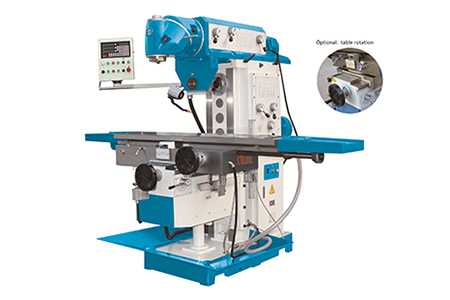
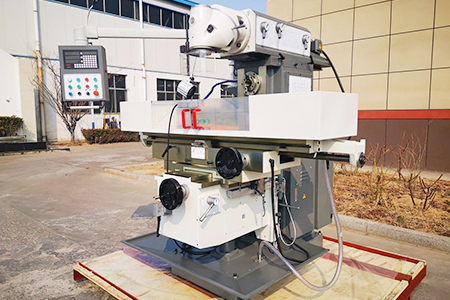
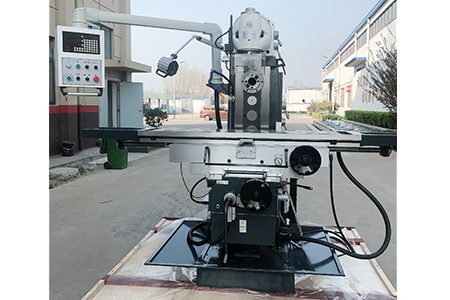
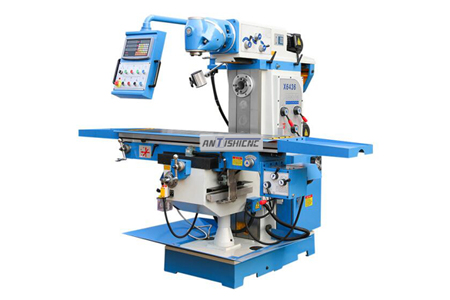
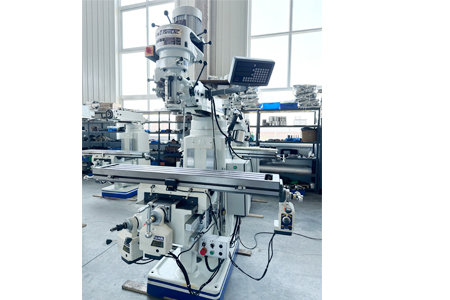
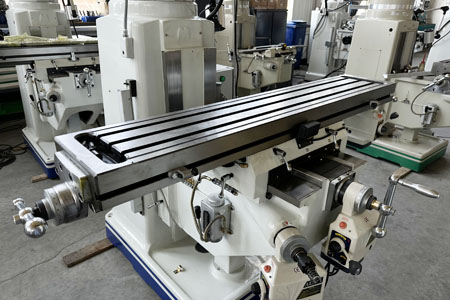
What is an industrial mill?
An industrial mill is a piece of process equipment that reduces the particle size of a solid feed by grinding, shearing, impacting or crushing. Mills are fundamental to virtually every industry that processes powders or granules, with applications spanning food milling (flour, cocoa, spices), pharmaceutical micronisation, mineral processing, pigment grinding, polymer recycling, animal feed and chemical production. Industrial mills are typically specified by feed size, target particle size (D50, D90 or D97 distributions), throughput (kg/hr or tonnes/hr), drive power and product contact materials.
How long do industrial mills last?
Quality industrial mills routinely operate for 25-40+ years. The main castings, bodies and structural components last decades; wear parts (hammers, beaters, screens, balls, beads, rollers) are routine consumables replaced on cycles ranging from days (highly abrasive duty) to years (gentle products). Drive systems, bearings and seals require periodic overhaul.
Why choose an industrial mill?
Particle size reduction underpins product quality, processability and downstream performance across virtually every industry that handles solids.
- Particle size control: mills deliver target particle size distributions for food specification, pharmaceutical bioavailability, paint and ink quality, and downstream process performance.
- Processability and flow: controlled particle size improves powder flow, pneumatic conveying performance and downstream mixing or filling consistency.
- Surface area and reactivity: fine grinding increases surface area, supporting catalysis, dissolution rates, fermentation and chemical reactivity.
- Product quality and texture: in food, pharmaceutical and cosmetic applications, particle size directly affects taste, texture, mouthfeel and clinical performance.
- Energy and yield optimisation: modern mills with efficient classification systems minimise over-grinding, reducing energy consumption and product waste.
Why buy a used industrial mill?
Industrial mills are good used-market candidates because the main bodies last decades and wear parts are widely available.
- Significant cost savings: used industrial mills typically cost 40-60% less than new equivalents, particularly on larger production-scale machines.
- Immediate availability: new specialty mills can have lead times of 6-15 months. Used stock is often available within weeks.
- Refurbishment-friendly: wear parts (hammers, screens, balls, beads, rollers) are routine consumables. A refurbished mill with new wear items performs identically to new.
- Proven performance: mills with documented production history demonstrate reliability, throughput and product compatibility.
- Strong aftermarket support: established brands maintain UK service networks, with refurbishment specialists offering full mechanical restoration.
Types of industrial mills for sale
Hammer mills
Hammer mills use rotating hammers to impact and shred feed material against breaker plates and screens, producing particle sizes from coarse granular down to fine powders. Common in animal feed, grain milling, recycling, biomass processing and waste reduction. Throughputs range from sub-100 kg/hr laboratory units up to multi-tonne-per-hour production mills.
Ball mills
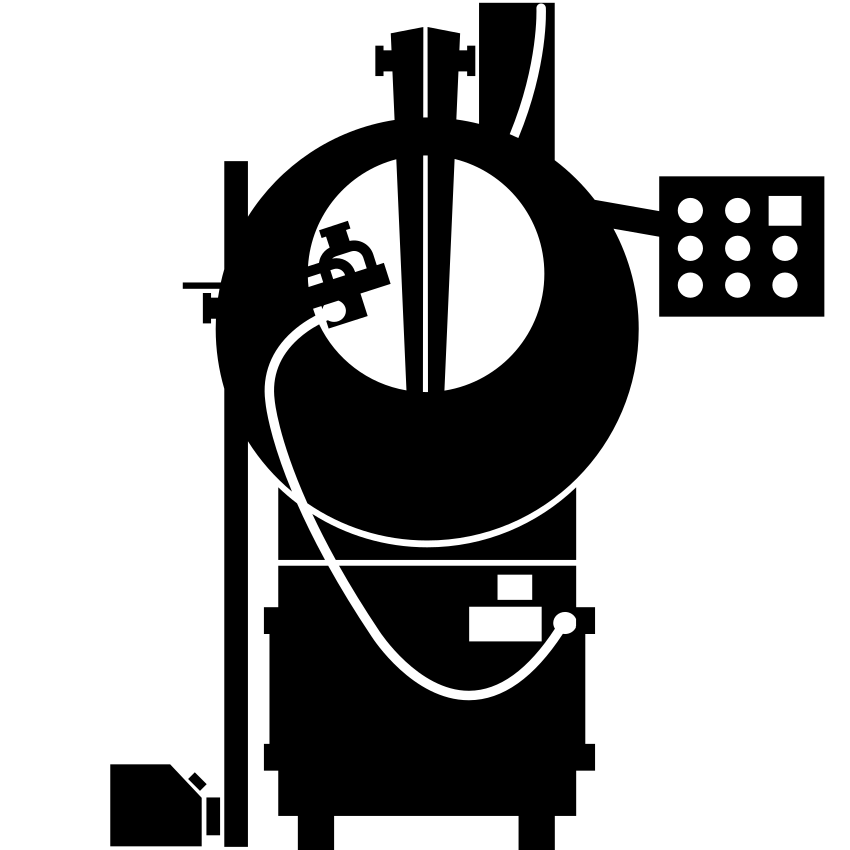
Rotating cylindrical drums charged with steel or ceramic balls grind feed material by impact and attrition. Standard for cement, mineral processing, ceramics, pigments, chocolate refining and pharmaceutical applications. Wet and dry operating modes serve different products. Working volumes range from sub-1L laboratory mills up to 1,000-tonne production grinding mills.
Jet mills (fluid energy mills)
Jet mills use compressed air or steam to accelerate particles into mutual collision, producing very fine micron and sub-micron powders. Common in pharmaceutical micronisation (D90 of 1-10 microns typical), pigments, toner, ceramic powders and specialty chemicals. No mechanical contact with the product, making them ideal for thermally-sensitive and pure products.
Pin mills
Pin mills use rotating discs fitted with pins (or stationary pins inside a rotating disc) to impact and shear feed material. Common for sugar, spices, food powders, plastics, polymers, pigments and chemicals where moderate fineness with controlled heat input is required.
Roller mills
Two or more counter-rotating rollers crush feed material between them, with the gap setting controlling output particle size. Roller mills dominate flour milling (cereal milling), animal feed, malt crushing, paint manufacture (3-roll mills) and chocolate refining. Capable of very high throughputs with relatively low energy consumption.
Bead and media mills
Bead mills (also called media mills, sand mills or pearl mills) circulate ceramic or steel beads through a chamber with the product, producing very fine particle sizes for paints, inks, agrochemicals, pharmaceutical suspensions and pigment dispersions. Horizontal and vertical configurations serve different production patterns.
Key features to consider when buying an industrial mill
- Target particle size: specify the required particle size distribution (typically D50 or D90/D97). Different mill types deliver different size ranges, and some products require specific mill technologies.
- Throughput: match capacity to your production demand. Mills running well below or above design throughput perform sub-optimally and produce off-specification product.
- Feed properties: particle size, hardness (Mohs scale), abrasiveness, moisture content and temperature sensitivity all influence mill choice and wear part selection.
- Product contact materials: 316L stainless for most food and pharma; abrasion-resistant alloys for hard or sharp feeds; ceramic linings for ultra-pure or contamination-sensitive products.
- Cooling and temperature control: many products are heat-sensitive. Air or water-cooled mills, plus jacketed designs, control product temperature during grinding.
- ATEX rating: essential for combustible dusts, including sugar, flour, pharmaceutical APIs and many polymers. Always verify current certification.
- Classification and recovery system: fines collection, cyclone separation, bag filtration and air handling systems are integral to most milling installations. Confirm these are included or compatible.
Industries and use cases for industrial mills
- Food and feed: flour milling, cocoa refining, sugar grinding, spice milling, animal feed production and powdered ingredients.
- Pharmaceutical and biotech: API micronisation, excipient milling, herbal and natural product processing, plus particle size reduction for bioavailability.
- Mineral processing and aggregates: ore grinding, cement production, lime, gypsum, calcium carbonate and industrial mineral milling.
- Pigments, paints and inks: pigment dispersion, paint and ink production, toner manufacture and surface coating preparation.
- Chemicals and polymers: specialty chemical milling, polymer regrind size reduction, additive incorporation and reactive milling.
- Recycling and waste: plastic regrind, e-waste processing, biomass preparation and waste reduction for landfill diversion.
What locations do we serve for industrial mills?
As a buyer-to-seller marketplace, we feature industrial mills from sellers across the UK and beyond. Use our location and distance filters to find equipment near your facility, supporting site visits and reducing transport costs for heavy mill installations.
Can I return an industrial mill?
As we operate as a buyer-to-seller marketplace, any returns policy must be agreed directly with the seller before purchase. We’d recommend pre-purchase inspection wherever possible, including assessment of wear parts, drive condition, screen condition and any vibration or balance considerations.
Browse other industrial machinery categories
This category forms one part of our wider industrial machinery marketplace. Browse the full range of New and Used Industrial Machinery, or jump into a specific sub-category below: