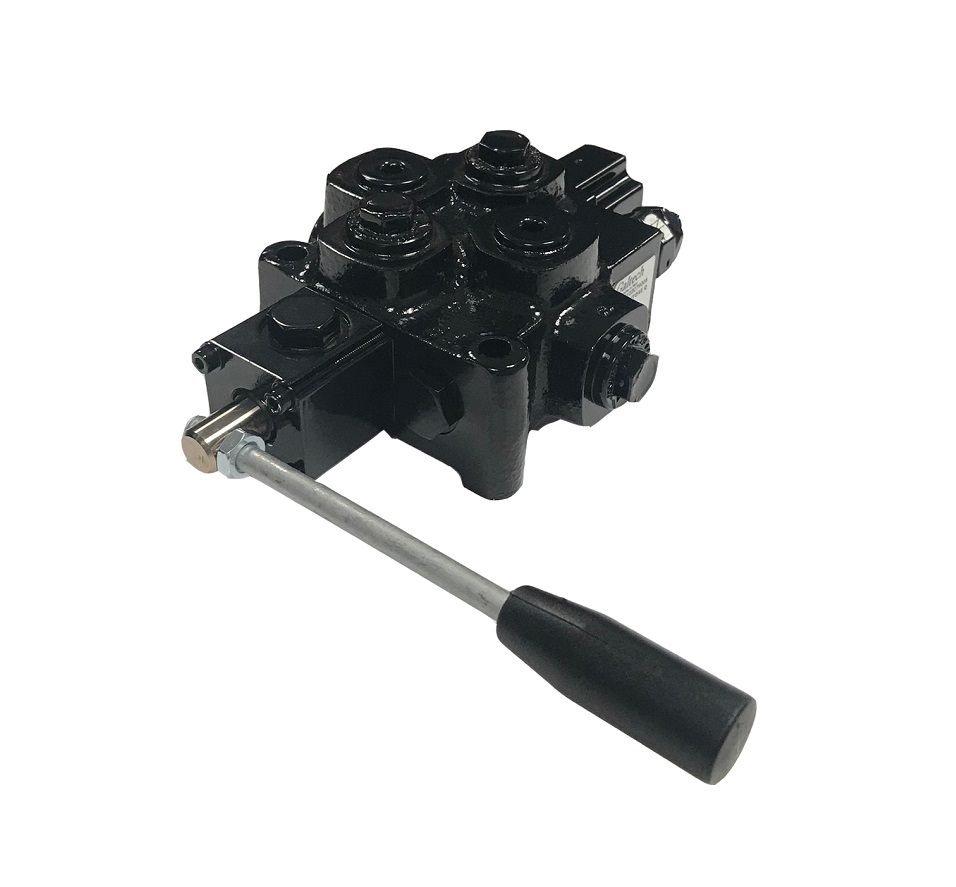
What is an industrial rotary valve?
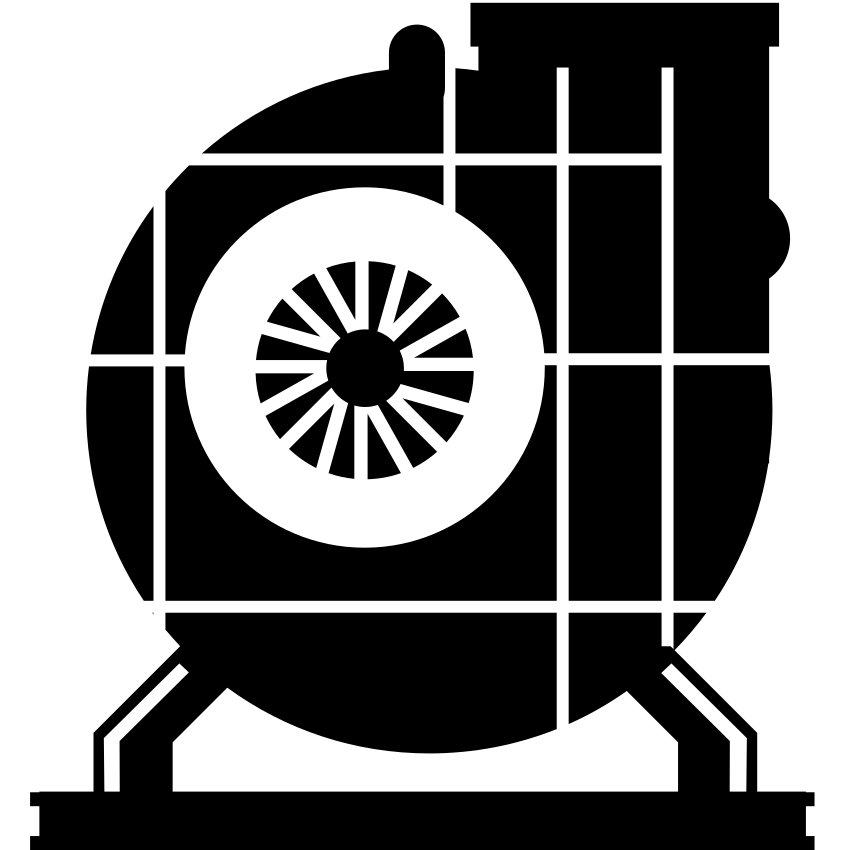
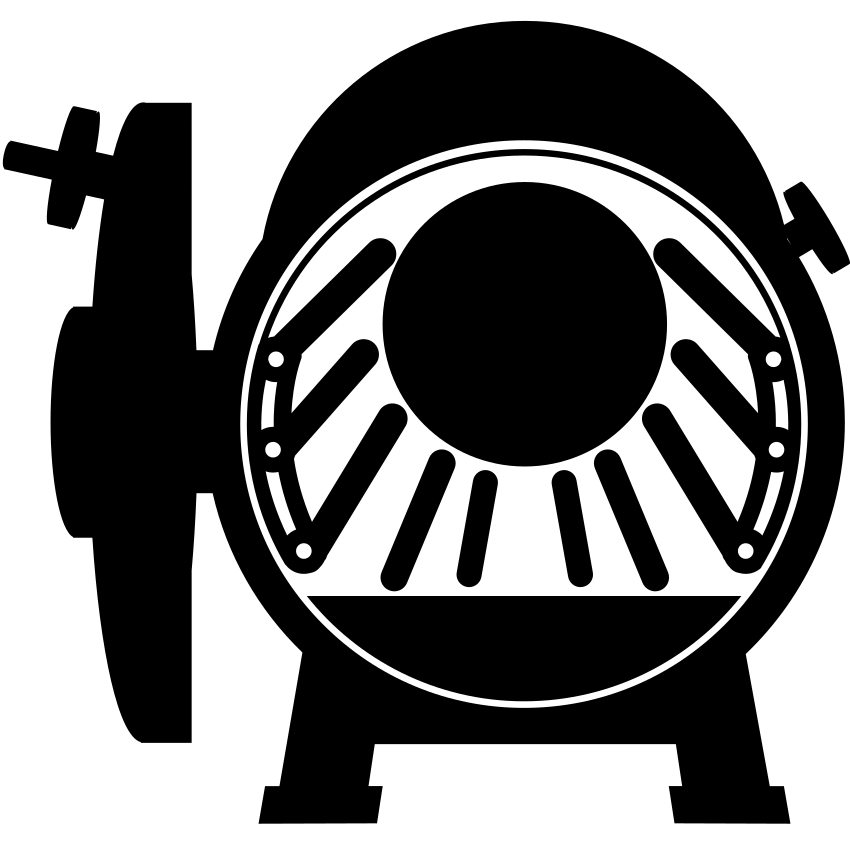
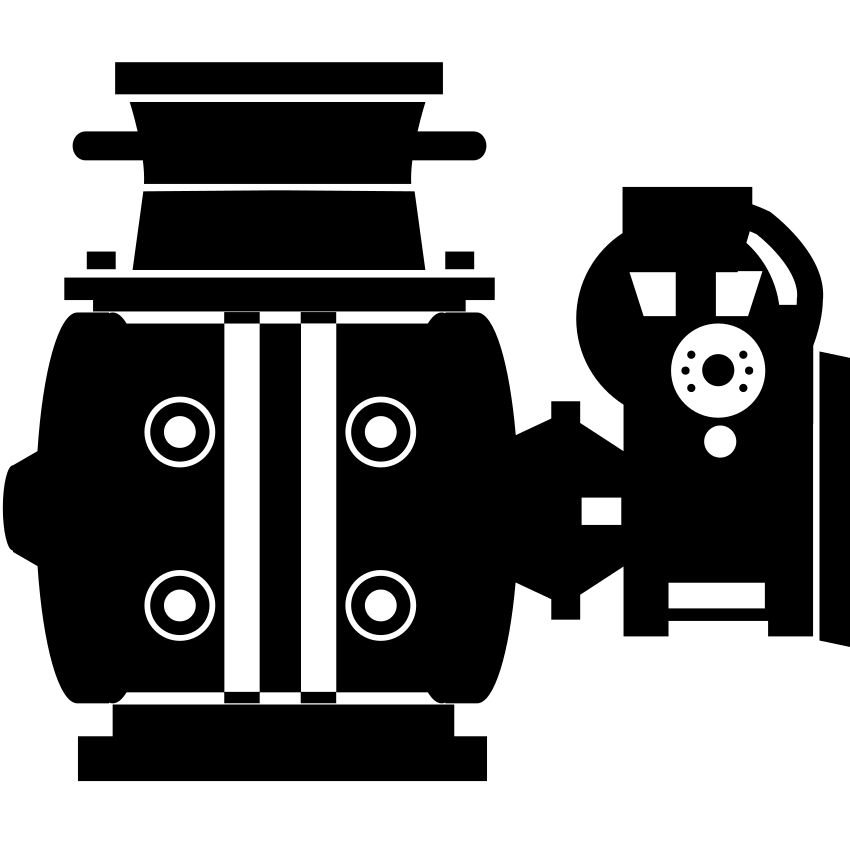
An industrial rotary valve (also called a rotary airlock or rotary feeder) is a piece of bulk material handling equipment that meters powders, granules and bulk solids while maintaining a pressure seal between two zones. The valve consists of a rotor with multiple pockets turning inside a fixed housing, with material entering from above, being captured in a pocket, rotated to the discharge port, and dropped out below. The rotor’s tight clearance to the housing creates an airlock that prevents pressurised gas from passing through the valve while still allowing solids to flow. Rotary valves are typically specified by throat size, rotor speed, pocket volume, materials of construction and the pressure differential they need to handle.
How long do industrial rotary valves last?
Quality industrial rotary valves routinely operate for 15-25+ years. The cast iron or stainless steel housings last decades; rotor blades are wear items that may need refurbishment or replacement every 3-10 years depending on duty (highly abrasive products like cement and silica drive faster wear; food powders and gentle materials cause minimal wear). Bearings and seals are routine maintenance items.
Why choose an industrial rotary valve?
Rotary valves are fundamental to virtually every bulk handling process that involves moving powders or granules between pressure zones.
- Pressure isolation: the airlock effect maintains pressure differentials between hoppers, conveyors, dust collectors and process equipment, supporting pneumatic conveying and dust collection.
- Controlled metering: rotor speed sets feed rate, supporting precise metering into batching, weighing, packaging and process equipment.
- Wide product compatibility: rotary valves handle virtually any free-flowing powder or granule, from fine powders to coarse pellets, with appropriate rotor and material specification.
- Long working life: the simple, robust design with few wear parts gives rotary valves exceptional reliability and longevity.
- Easy integration: standardised flange dimensions support easy retrofit and replacement, with most major manufacturers offering interchangeable mounting.
Why buy a used industrial rotary valve?
Rotary valves are excellent candidates for second-hand purchase because the housings and main components last for decades.
- Significant cost savings: used rotary valves typically cost 40-60% less than new equivalents, with quick payback on most installations.
- Immediate availability: new specialty rotary valves can have lead times of 8-16 weeks. Used stock is often available within days or weeks.
- Refurbishment-friendly: rotor refurbishment, blade tip renewal, bearing replacement and seal upgrades return used valves to as-new performance.
- Proven service history: valves with documented operating history give clear evidence of duty cycles and product compatibility.
- Strong UK aftermarket: DMN, Coperion (Waeschle), Donaldson, Schenck Process, and other manufacturers maintain strong UK service networks.
Types of industrial rotary valves for sale
Drop-through rotary valves
The most common rotary valve configuration. Material drops vertically through the valve from inlet to outlet, with the rotor metering flow and providing the pressure seal. Standard for hopper discharge, pneumatic conveying feed and dust collection isolation. Manufacturers include DMN-Westinghouse, Coperion (Waeschle), Donaldson, Schenck Process and many specialist UK and European builders.
Blow-through (offset) rotary valves
Blow-through valves include an integral pneumatic conveying connection where the conveying air sweeps through the rotor pockets, picking up product as it discharges. Eliminate the need for a separate airlock plus T-piece arrangement, simplifying installations and reducing pressure losses. Common in pneumatic conveying lines.
High-pressure rotary valves
Heavy-duty designs with reinforced housings, tighter rotor clearances and specialised seals support pressure differentials up to 5+ bar, suitable for higher-pressure pneumatic conveying, dense-phase systems and pressure vessel feed applications.
Sanitary and food-grade rotary valves
Stainless steel construction with electropolished surfaces, drainable design and quick-release end covers for cleaning support food, pharmaceutical and dairy applications. 3A and EHEDG-aligned designs are available from specialist manufacturers.
Quick-clean and quick-change valves
Quick-release rotor designs allow the rotor to be removed for cleaning or product changeover in minutes, supporting multi-product operations and CIP cleaning regimes. Common in food, pharmaceutical and specialty chemical applications.
Key features to consider when buying a rotary valve
- Throat size: match the valve throat to your inlet/outlet flange specifications and product flow requirements. Standard sizes range from 100mm up to 600mm+ on larger installations.
- Materials of construction: cast iron for general industrial duty; 316L stainless for food, pharma and corrosive products; specialty coatings (chromium, ceramic) for highly abrasive products.
- Rotor type: open-end rotors for free-flowing products; closed-end (relieved) rotors for sticky or fluidisable products; profiled rotors for specific bulk densities and flow characteristics.
- Pressure rating: verify the maximum pressure differential the valve can handle. Standard valves typically rate to 1 bar; high-pressure designs handle 5+ bar.
- Drive arrangement: direct shaft drives, chain drives or geared motor drives. Match drive type to installation, drive ratio and speed control requirements.
- Hygiene and certification: sanitary food and pharma valves need 3A, EHEDG or FDA-aligned design with sanitary fittings, drainable construction and documented cleaning validation.
- ATEX rating: essential for combustible dusts, including sugar, flour, pharmaceutical APIs and many polymers. Always verify current certification on used valves.
Industries and use cases for rotary valves
- Bulk material handling: feeding powders and granules into pneumatic conveying lines from silos, hoppers and bins.
- Dust collection and air filtration: isolating dust collectors from collection points, supporting continuous emptying without breaking the vacuum or pressure seal.
- Food and beverage: feeding flour, sugar, ingredients and powders into mixing, packaging and processing systems.
- Pharmaceutical and chemical: metering APIs, excipients and chemical powders into reactors, granulators, packaging and downstream processing.
- Cement, lime and aggregates: discharging silos and hoppers in cement, ready-mix and aggregates plants.
- Plastics, polymers and recycling: feeding pellets, regrind, powders and additives into compounding, extrusion, moulding and recycling lines.
What locations do we serve for rotary valves?
As a buyer-to-seller marketplace, we feature industrial rotary valves from sellers across the UK and beyond. Use our location and distance filters to find equipment near your facility, supporting site visits and easier inspection.
Can I return a rotary valve?
As we operate as a buyer-to-seller marketplace, any returns policy must be agreed directly with the seller before purchase. We’d recommend pre-purchase inspection of any used rotary valve, including assessment of rotor wear, blade tip clearances, bearing condition and seal status.
Browse other industrial machinery categories
This category forms one part of our wider industrial machinery marketplace. Browse the full range of New and Used Industrial Machinery, or jump into a specific sub-category below: